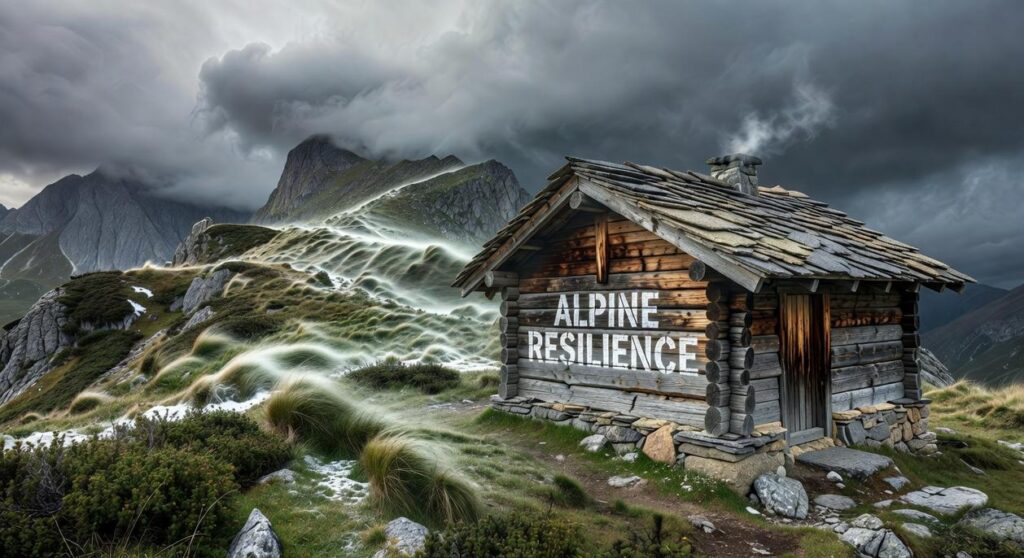
If you’re searching for a clear, practical understanding of mountain biome characteristics, you likely want more than textbook definitions—you want insights that help you prepare, explore, and adapt. Mountain environments are dynamic, shaped by elevation shifts, extreme weather patterns, rugged terrain, and unique biodiversity that changes dramatically within short distances. Understanding these traits is essential for safe trekking, smart gear selection, and responsible wilderness exploration.
This article breaks down the defining environmental features of mountain regions, explains how altitude affects climate and vegetation, and highlights the survival and navigation strategies best suited for high-elevation zones. We draw from established ecological research, field-tested outdoor practices, and real-world trekking data to ensure the information is accurate, practical, and up to date.
By the end, you’ll have a clear grasp of how mountain ecosystems function—and how to confidently plan your next high-altitude adventure.
Ascending to Understanding: What Defines a Mountain Biome?
Mountains aren’t just tall landforms; they’re vertically stacked worlds. The defining mountain biome characteristics hinge on altitude-driven change. As elevation rises, temperature drops roughly 3.5°F per 1,000 feet (NOAA), creating distinct ecological bands.
What competitors often miss? The speed of transition. You can hike from temperate forest to alpine tundra in a single day.
- Altitude: Rapid atmospheric thinning alters oxygen availability.
- Climate: Intense UV exposure and sudden storms shape survival.
- Flora and Fauna: Species evolve compact growth or migratory resilience.
Think of it as nature’s high-rise—each floor radically different (and no elevator back down).
Life on the Incline: How Altitude Shapes Everything
Climbing a mountain isn’t just a hike—it’s a vertical world tour. Ecologists call this vertical zonation, the predictable layering of ecosystems as elevation increases. In simple terms, altitude reshuffles climate conditions fast enough that a single peak can mimic a journey from temperate woodland to Arctic fringe. (It’s like fast‑forwarding through Earth’s biomes without changing latitude.)
The science behind it is blunt but powerful. As elevation rises, atmospheric pressure drops, meaning each breath delivers less oxygen. Temperatures fall according to the environmental lapse rate—about 6.5°C per 1,000 meters (NOAA). Thinner air also holds less heat, creating sharper day–night swings. Competitors often mention “it gets colder,” but miss how reduced pressure strains both lungs and combustion systems—why camp stoves sputter and hikers fatigue faster.
From base to summit, the transitions are striking:
- Montane Zone (Foothills): Deciduous or mixed forests, rich soil, abundant wildlife.
- Subalpine Zone: Dominated by hardy conifers; the last bastion of forest cover.
- Alpine Zone: Above the treeline; characterized by low-lying shrubs, grasses, and meadows.
- Nival Zone: The highest region of permanent snow and ice, where life is limited to lichens and specialized insects.
Treeline itself forms where growing seasons become too short for trees to reproduce (National Geographic). Pro tip: acclimatize gradually; your red blood cell production needs days, not hours, to adjust (CDC).
Masters of Microclimates: Weather in the Highlands
Mountains don’t just rise above the landscape—they rewrite the rules of weather. Understanding how they work gives you a serious advantage, whether you’re trekking for a weekend or planning long-term exploration.
First, consider the rain shadow effect. When moist air hits a mountain range, it rises, cools, and drops rain on the windward side. Cross the peak, however, and you may find dry, desert-like terrain on the leeward side. The result? Two radically different ecosystems separated by a single ridgeline. For adventurers, this means you can anticipate water sources—or scarcity—simply by reading the terrain.
Then there’s extreme solar radiation. At higher elevations, the thinner atmosphere filters less ultraviolet (UV) radiation (NASA confirms UV exposure increases about 10–12% per 1,000 meters gained). The upside? Clearer skies and breathtaking views. The catch? Faster sunburn and plant stress. Pro tip: high-SPF sunscreen and UV-protective eyewear aren’t optional.
Meanwhile, rapid and unpredictable weather defines daily life. Warm sunshine can flip to sleet in an hour, and temperatures often swing dramatically between day and night. Layering smartly means comfort instead of crisis.
Finally, the role of aspect shapes microclimates. In the Northern Hemisphere, south-facing slopes soak up sunlight, while north-facing slopes stay cooler and wetter. Even at identical elevations, life diverges sharply.
These mountain biome characteristics aren’t obstacles—they’re opportunities. Learn them, and you gain foresight, resilience, and a deeper connection to the highlands.
Grit and Growth: The Resilient Plants of the Peaks
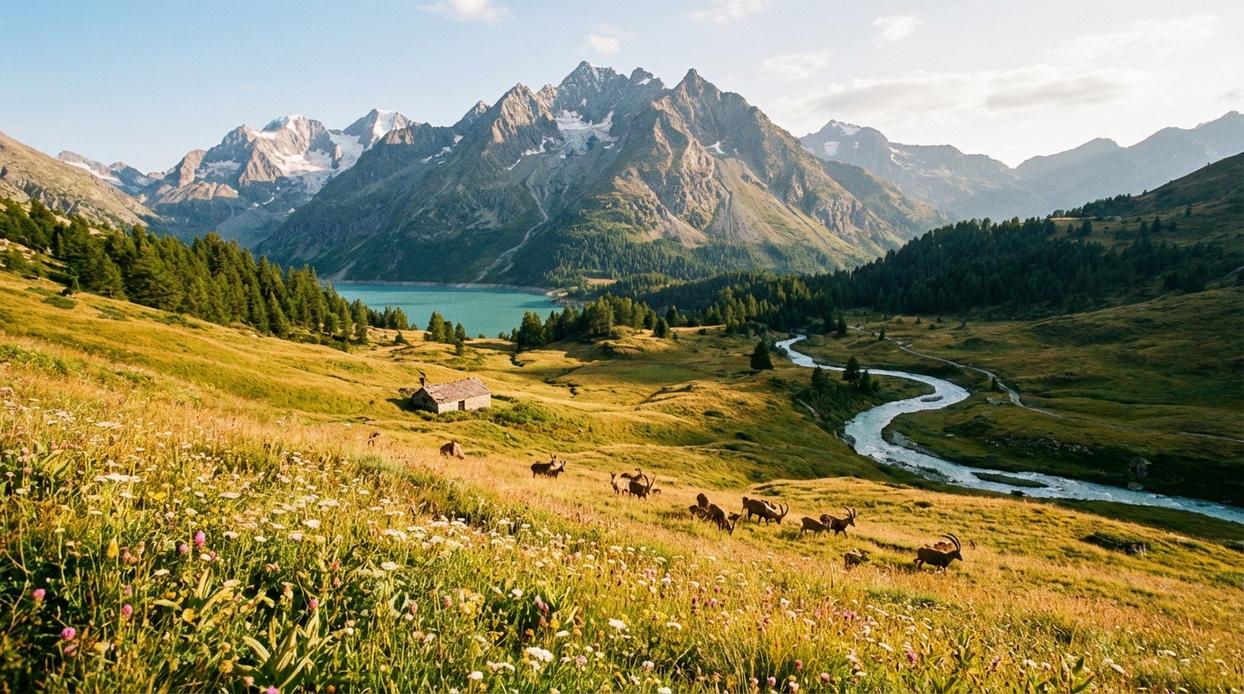
High above the tree line, where the air thins and the wind never seems to take a day off, plants get creative. One classic survival move is the cushion plant form—low-growing, compact clusters that hug the ground. By staying short, they dodge brutal gusts and trap pockets of warmth close to the soil (basically nature’s version of huddling under a blanket). These shapes are textbook mountain biome characteristics, built for endurance rather than height.
Beyond that, survival demands clever design. Many alpine plants grow waxy or hairy leaves to reduce water loss and shield against intense sun and frost. Think of it as built-in sunscreen and a winter coat. Deep taproots anchor them into rocky soil, preventing a dramatic tumble down the slope. And because summer barely clocks in before it clocks out, these plants race through short growing seasons—sprout, flower, seed, repeat.
Then there’s life at the treeline. The “krummholz effect” describes trees twisted and stunted by relentless wind, sometimes growing sideways as if reconsidering their life choices. It’s the dramatic gateway to the alpine zone.
Look closely and you’ll spot alpine forget-me-nots adding flashes of blue, saxifrage (“rock-breaker”) wedged into cracks, and lichens patiently colonizing bare stone. They may look delicate, but they’re tougher than they appear—proof that resilience can be surprisingly small.
Planning your own high-altitude trek? Pair peak hikes with coastal wilderness adventures navigating tides and cliffs for a full-spectrum wild experience.
Thriving at the Top: Wildlife of the Mountain Biome
Life at altitude is brutal—and honestly, that’s what makes it fascinating. In these mountain biome characteristics, thin air and freezing temperatures force animals to level up. Physiological adaptations like larger lungs, stronger hearts, and higher red blood cell counts help species such as snow leopards and Andean camelids survive low oxygen. Thick fur, fat layers, or dense feathers lock in warmth (basically nature’s parka).
Meanwhile, behavioral strategies seal the deal. Marmots hibernate through the harshest months, elk and bighorn sheep migrate downslope, and pikas cache food like meticulous preppers. Then there are specialized body structures: mountain goats’ cloven, soft-padded hooves grip sheer rock with superhero precision. Personally, I think these high-altitude survivors redefine resilience entirely.
The Vertical Wilderness: A Recap of Mountain Traits
WE’VE explored how vertical zonation, extreme microclimates, and the remarkable adaptations of its flora and fauna define life at altitude. These mountain biome characteristics reveal one unshakable truth: survival is a constant negotiation with gravity and exposure. EVERYTHING bends to slope, wind, and thin air.
So what’s next? You might ask how to prepare, what gear endures, or which routes respect fragile alpine zones. Start by studying local forecasts, training for elevation, and reviewing trusted safety guides like this mountain checklist. PRO TIP: acclimatize slowly to reduce altitude sickness. Respect peaks.
Conquer the Heights With Confidence
You set out to better understand mountain terrain, prepare for the unexpected, and explore with confidence—and now you have the insight to do exactly that. From terrain awareness to gear care and route planning, you’re equipped to handle the realities of high-altitude adventure.
The truth is, the mountains don’t forgive poor preparation. Unpredictable weather shifts, elevation changes, and rugged trails test even seasoned trekkers. Understanding mountain biome characteristics is what separates a stressful, risky trip from a safe and rewarding expedition.
Now it’s time to act. Review your gear, refine your trekking strategy, and make sure you’re fully prepared before your next ascent. If you want trusted guidance, field-tested adventure insights, and proven gear maintenance strategies relied on by outdoor explorers everywhere, explore our latest resources and start planning smarter today.
Don’t leave your next adventure to chance—gear up, plan well, and step into the wild fully prepared.