
Planning a journey into dense, untamed wilderness comes with excitement—and serious challenges. If you’re searching for clear, reliable guidance on rainforest expedition preparation, you likely want practical steps that ensure safety, efficiency, and a rewarding outdoor experience. This article is designed to give you exactly that.
From selecting durable outdoor essentials to understanding zonal terrain differences and maintaining your adventure gear in high-humidity conditions, we break down what truly matters before you set foot under the canopy. Many trekkers underestimate how rapidly weather, wildlife patterns, and terrain can shift in rainforest environments. Proper preparation is not optional—it’s critical.
Our insights draw from extensive field research, proven trekking strategies, and real-world wilderness exploration experience. You’ll find actionable guidance that helps you pack smarter, move safer, and adapt confidently to unpredictable conditions—so your expedition is defined by discovery, not preventable setbacks.
Thriving in the rainforest demands more than enthusiasm; it requires strategy. This blueprint reframes rainforest expedition preparation as a comparison of smart choices versus risky shortcuts. Gear A vs. Gear B: lightweight, quick-dry layers outperform heavy cotton that traps moisture and invites hypothermia (yes, even in the tropics). Health A vs. Health B: proactive hydration, electrolyte planning, and blister prevention beat reacting after heat exhaustion strikes. Skills A vs. Skills B: navigation with map and compass outlasts a dead GPS battery.
Some argue experience alone is enough. It isn’t. Preparation bridges confidence and competence—so your adventure feels epic, not reckless.
Mastering Your Pack: The Non-Negotiable Gear System
Footwear: The Foundation of Your Trip
Your boots are not a fashion choice; they’re infrastructure. Broken-in, waterproof, high-ankle boots with aggressive tread protect against mud, roots, and sudden downpours. “Waterproof” means a membrane (like Gore-Tex) that blocks external water while allowing sweat vapor to escape. Some hikers argue trail runners are lighter and faster—and on dry terrain, sure. But in saturated jungle soil, ankle support and grip win every time (twisted ankles aren’t adventurous, just inconvenient). Pack lightweight, quick-drying camp shoes for river crossings and letting boots air out overnight.
Clothing: A Synthetic Layered Defense
Cotton is a liability because it retains moisture, accelerating heat loss and increasing chafing risk (CDC notes wet clothing raises hypothermia risk even in mild temps). Build a system:
- Moisture-wicking base layers (polyester or merino)
- Durable long sleeves and pants for insects and abrasion
- Breathable rain shell and rain pants
Some say jungle heat makes layers unnecessary. Until the sky opens. Then that shell becomes priceless.
Navigation: The Redundancy Rule
A GPS is efficient, not infallible. Batteries die. Signals drop. Bring:
- Primary GPS with spare batteries
- Physical compass
- Waterproof topographic map
Technology is a tool, not a plan. (Ask anyone who’s watched their “100% battery” vanish.)
Shelter: Hammock vs. Tent
Hammocks with bug nets and tarps keep you off soaked ground and improve airflow. Tents offer familiarity and enclosed security. In dense terrain, hammocks often deploy faster. Consider terrain, rainfall, and personal comfort.
Preparing for rainforest expedition preparation? Next, evaluate water purification, food storage, and pack weight distribution—because gear only works if you can carry it efficiently.
Health and Safety: Your Proactive Defense Strategy
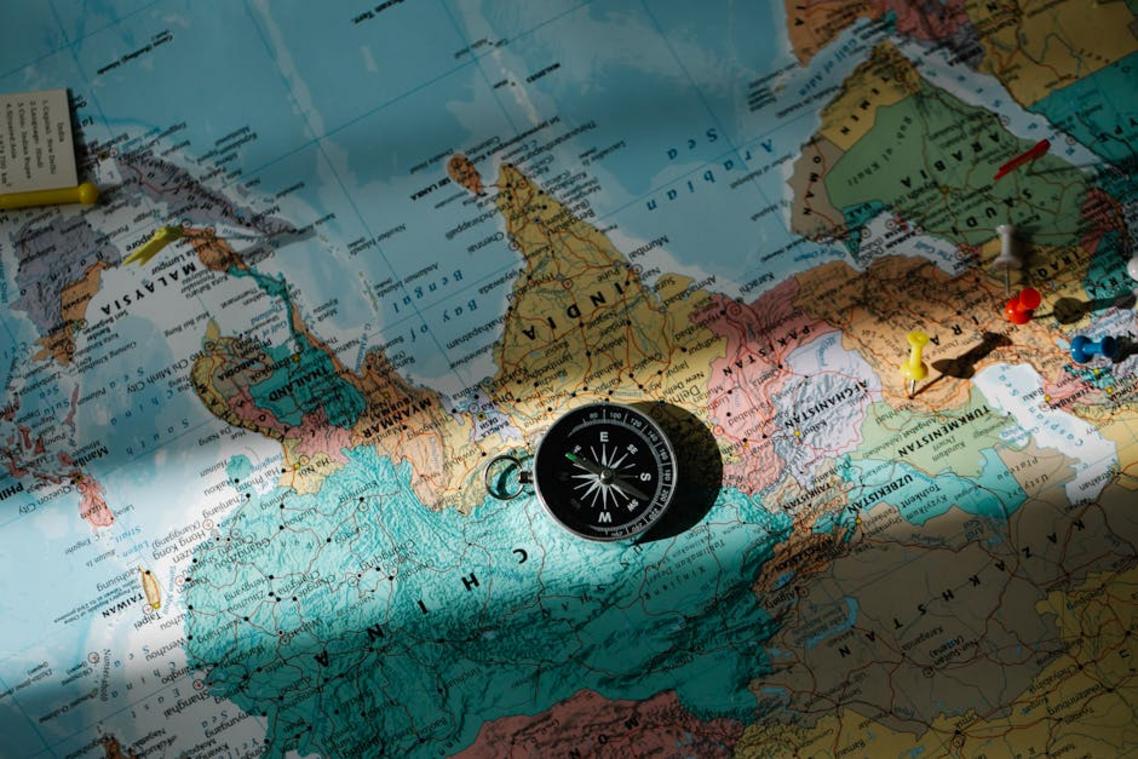
Let’s be honest—nothing ruins a trip faster than getting sick miles from help. Yet travelers still skip clinics, forget meds, and assume they’ll “figure it out.” That gamble doesn’t work in the jungle.
Medical Preparations: Before You Go
Consult a travel medicine clinic weeks before departure. Some regions legally require Yellow Fever vaccination (CDC), and malaria prophylaxis can reduce infection risk by up to 90% when taken correctly (WHO). Pack personal prescriptions in waterproof containers, plus copies of scripts (because pharmacies in remote villages rarely stock your brand-name inhaler).
Water Purification: The Trinity of Safety
Crystal-clear water can still carry Giardia (a parasite causing severe diarrhea) or viruses invisible to the eye.
You need at least two of these methods:
- Filtration (removes particulates and protozoa)
- Chemical treatment like iodine or chlorine dioxide (kills viruses)
- Boiling (rolling boil for at least one minute)
Carrying only one method is wishful thinking. Gear fails. Tablets expire. Fires won’t light in a downpour.
Insect Warfare: More Than an Annoyance
Mosquitoes transmit malaria, dengue, and Zika (WHO). Use repellents with 20–50% DEET or Picaridin. Treat clothing with permethrin. Bring a head net for dusk (you’ll thank yourself when the swarm hits).
The Rainforest First-Aid Kit
Standard kits fall short. Add:
- Antifungal and antibacterial creams
- Blister care (moleskin, tincture of benzoin)
- Broad-spectrum antibiotics (prescribed)
- Antihistamines for bites and stings
This is rainforest expedition preparation—not a weekend picnic. For cold-climate contrast, review arctic wilderness survival essential knowledge for explorers.
Preparation feels tedious—until it saves your trip.
Beyond the Gear: Essential Skills for the Trail
Hydration and Electrolyte Management
In high humidity, sweat doesn’t evaporate efficiently, so you may not realize how much fluid you’re losing. A practical formula: drink 0.5–1 liter per hour of moderate activity, adjusting for body weight and pack load (CDC). Dark urine, dizziness, and fatigue signal dehydration. On the flip side, overhydrating without sodium can cause hyponatremia—a dangerous dilution of blood sodium marked by headache, confusion, and nausea. Pack electrolyte tablets or powders; they’re lightweight, pre-measured, and help maintain nerve and muscle function (think of them as your trail-side pit crew).
Wildlife Awareness and Food Safety
Avoid surprises: make noise while hiking, store food 100 feet from camp, and use bear canisters or a proper 12-foot hang. Some argue wildlife encounters are rare. True—but improper storage conditions animals to seek human food (National Park Service), putting everyone at risk.
Campsite Selection and Low-Impact Practices
Choose elevated ground, avoid flood-prone dips, and scan overhead for “widowmakers” (loose branches). Follow Leave No Trace: pack out waste and minimize site disturbance—core principles of rainforest expedition preparation.
Gear Maintenance in the Field
Air boots during breaks, seal small tears with repair tape, and store electronics in roll-top dry bags. Constant moisture degrades gear quickly; small daily checks prevent major failures.
From Prepared Explorer to Confident Adventurer
Preparation is not paranoia. It’s risk management made practical. When people hear “strategic readiness,” they often imagine military-level planning. In reality, it simply means thinking ahead about predictable challenges—and solving them before they become problems.
The rainforest is an ecosystem of extremes. Humidity (constant airborne moisture) can soak clothing and corrode electronics. Biodiversity (a high concentration of plant and animal life) means beauty—but also insects, toxins, and territorial wildlife. And disorientation happens easily because dense canopy blocks landmarks and GPS signals.
Some argue that overplanning “kills the adventure.” They picture explorers hacking through vines like an Indiana Jones sequel. But cinematic spontaneity ignores reality: most wilderness emergencies stem from preventable mistakes (National Park Service search and rescue reports consistently cite poor preparation as a leading cause).
This is where rainforest expedition preparation becomes transformative. Instead of reacting emotionally to every sound or storm, you rely on systems:
- Waterproofed and seam-checked gear
- Tested navigation tools with backup power
- A current, fully stocked first-aid kit
Think of it like rehearsing before opening night (even rock bands sound better after soundcheck).
Your next step is simple: audit everything at home. Test, inspect, replace. Confidence on the trail begins in your living room.
Ready for Your Next Rainforest Journey?
You came here to understand how to properly plan and execute a rainforest expedition preparation strategy that keeps you safe, efficient, and ready for the unexpected. Now you know what it takes—from selecting the right gear and mastering navigation to maintaining equipment and preparing for shifting weather patterns.
The truth is, most adventurers underestimate the jungle. The humidity, the terrain, the isolation—it only takes one oversight to turn an unforgettable experience into a stressful one. Proper preparation isn’t optional; it’s the difference between confidence and chaos.
Now it’s time to act. Review your checklist. Upgrade any gear that won’t withstand extreme moisture. Practice your route planning and emergency protocols before you set foot on the trail.
If you want reliable insights, field-tested gear guidance, and proven trekking strategies trusted by thousands of outdoor explorers, start exploring our expert resources today. Don’t leave your expedition to chance—equip yourself properly, plan smart, and step into the rainforest fully prepared.