
Planning a rainforest journey is exciting—but without the right preparation, it can quickly become overwhelming. If you’re searching for clear, practical guidance on rainforest expedition preparation, you likely want more than a packing list. You want to know how to stay safe in unpredictable weather, protect your gear from constant humidity, navigate dense terrain, and make the most of your time in one of the most biodiverse environments on Earth.
This article is designed to give you exactly that: field-tested strategies, essential equipment insights, and smart planning techniques that help you prepare with confidence. We’ve consulted seasoned trekkers, wilderness navigation experts, and outdoor gear specialists to ensure every recommendation is practical, reliable, and suited to real-world rainforest conditions.
Whether you’re embarking on your first jungle trek or refining your expedition strategy, you’ll find focused, actionable guidance here to help you explore safely, efficiently, and responsibly.
Planning a rainforest trek sparks a rare kind of excitement (think Jurassic Park, but with better bug spray). Yet the same lush environment that thrills you can overwhelm you. High humidity means air already saturated with moisture—your sweat cannot evaporate easily. That’s why rainforest expedition preparation matters. This guide breaks down confusing details into clear steps:
• what “wicking” fabric really means (it pulls moisture away),
• how to layer lightweight gear,
• and why dry bags prevent gear rot.
Follow this step-by-step checklist for a safe, comfortable, unforgettable journey, starting at home with smart preparation before you even leave.
Last year in the Amazon, I ignored the old saying “cotton is rotten.” Big mistake. By noon, my T-shirt was a soggy towel, and I was shivering despite 90°F heat. In rainforest expedition preparation, the Golden Rule is simple: cotton traps moisture, while synthetic fabrics like polyester and nylon wick sweat and dry fast (meaning they pull moisture away from your skin). According to REI, synthetics dry significantly faster than cotton, reducing chafing and heat loss.
Base Layer: Choose lightweight, breathable, long-sleeved shirts for sun and insect protection (mosquitoes don’t care about your tan).
- Convertible hiking pants beat shorts because they shield against leeches and thorny vines.
- Durable, water-resistant trousers handle abrasion better than flimsy fabrics.
- A fully waterproof, breathable rain jacket—sealed seams and all—is essential; “water-resistant” fails in true downpours.
Footwear is debated. Waterproof boots keep puddles out but trap water once submerged. Quick-draining jungle boots release water fast but require strong socks. I prefer non-waterproof boots paired with wool or synthetic socks; wool insulates even when wet, a claim supported by the Woolmark Company. Pro tip: pack extra socks and rotate daily. Dry feet equal fewer blisters (and a much happier trek). Stay relentlessly dry.
Beyond the Basics: Packing Your Essential Adventure Gear
As you gear up for your adventure into the lush depths of the rainforest, it’s essential to consider not only the breathtaking biodiversity you’ll encounter but also the potential environmental impacts, such as those discussed in our article on Lescohid Herbicide, which explores how certain chemicals can affect ecosystems in these vital regions.
First, let’s talk about the right backpack. A 30–50 liter pack hits the sweet spot for multi-day treks: large enough for layers and food, compact enough to prevent overpacking (which we all swear we won’t do). Fit matters more than brand—look for adjustable hip belts and load lifters to transfer weight to your hips, not your shoulders. And here’s what many guides skip: a waterproof pack cover isn’t enough in sustained rain. Use dry bags inside your pack for true redundancy.
Next, hydration systems. Hydration reservoirs (soft water bladders with sip tubes) allow hands-free drinking, ideal for steep climbs. Durable water bottles, however, resist punctures and handle boiling water in cold climates. Carry more water than you think you’ll need—dehydration impairs judgment faster than hunger (CDC).
For purification, match tools to terrain:
- Filters remove bacteria and protozoa (great for streams).
- Purification tablets kill viruses but require wait time.
- UV sterilizers neutralize pathogens quickly but need clear water and batteries.
Essential tools round it out: a quality multi-tool, a reliable headlamp with extra batteries, and trekking poles for slippery terrain. In rainforest expedition preparation, poles double as depth testers for mud. For extreme cold insights, review the arctic trekking guide challenges of polar landscapes.
Staying Healthy and Safe in a Thriving Ecosystem
Preparation isn’t paranoia—it’s smart survival. In dense jungle environments, prevention always beats treatment.
Insect Protection Strategy
Adopt a two-pronged defense. First, treat clothing with permethrin, an insecticide that binds to fabric and repels mosquitoes and ticks for multiple washes (CDC). Second, apply a DEET-based repellent (20–50%) on exposed skin; studies show DEET significantly reduces mosquito bites when used correctly (EPA). Some argue “natural” sprays are enough, but in high-risk zones, proven chemistry wins (this isn’t the place for wishful thinking).
First-Aid Kit Essentials
Standard kits won’t cut it. Add rainforest-specific supplies:
| Item | Why It Matters |
|---|---|
| Antiseptic wipes | Prevent infection in humid conditions |
| Blister treatment | Constant moisture increases friction |
| Antifungal cream | Fungal rashes thrive in damp heat |
| Antihistamines | Calm severe insect reactions |
Pro tip: Pack duplicates of anything moisture-sensitive in waterproof pouches.
Sun Protection
Yes, even under canopy cover. UV rays penetrate gaps and reflect off water. Use waterproof SPF 30+ sunscreen and wear a wide-brimmed hat (WHO confirms cumulative UV exposure risk).
Wildlife Awareness
Maintain distance. Secure food in sealed containers. Never feed animals (it disrupts natural behavior and increases aggression).
Smart rainforest expedition preparation turns risk into manageable challenge.
Navigating the Jungle: Skills That Outweigh Gear
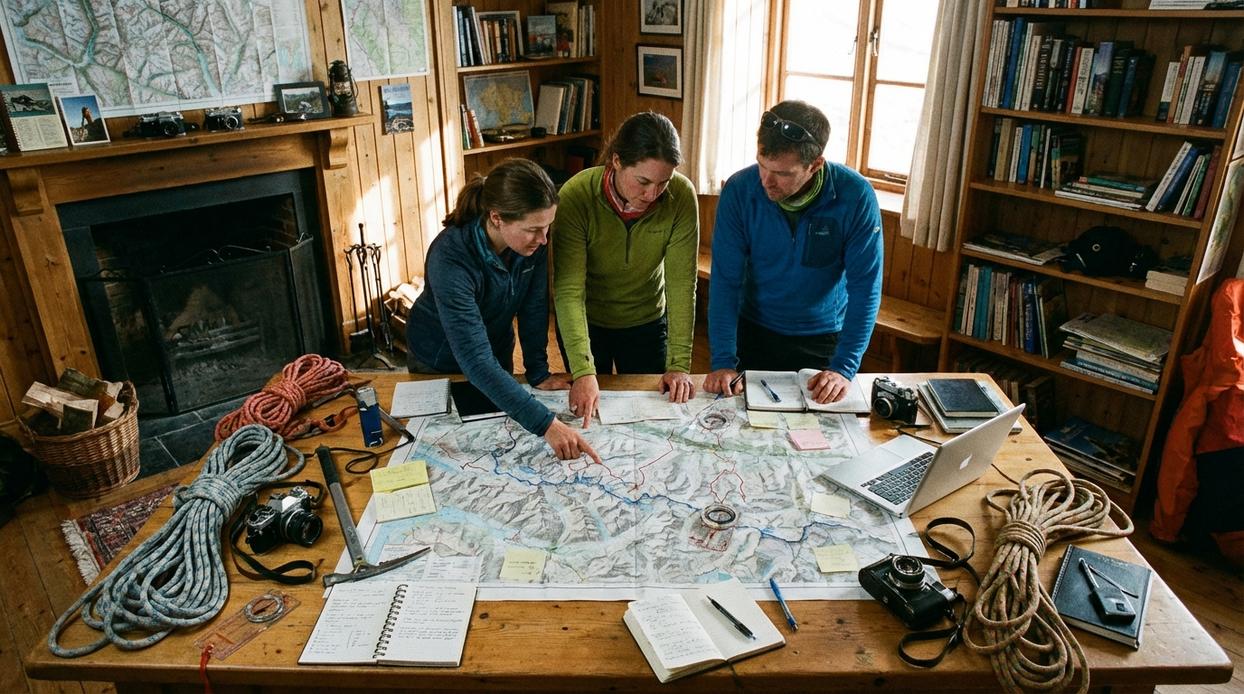
First things first: batteries die. Signals drop. Screens crack. That’s why low-tech navigation still matters. A physical map (a scaled paper representation of terrain) and a compass (a magnetic tool that points to true north) don’t rely on cell towers or charging cables. According to a 2023 survey by the American Hiking Society, over 60% of backcountry rescue cases involved hikers who relied solely on smartphones. In other words, knowing how to orient a map and take a bearing isn’t “old school”—it’s practical.
That said, GPS devices and smartphones with downloaded offline maps add precision. Dedicated GPS units often provide stronger satellite connections under dense canopy. However, they’re only as reliable as their battery life—so bring a portable power bank (pro tip: store it in a waterproof pouch).
Equally important is understanding the terrain. Watch for slippery roots, unstable river crossings, and sudden elevation changes. Heat exhaustion accounts for thousands of emergency visits annually (CDC), so pace yourself and hydrate consistently. Think less “action hero sprint” and more steady endurance.
Finally, follow the seven Leave No Trace principles: plan ahead, camp on durable surfaces, pack out all trash, minimize campfire impact, respect wildlife, and be considerate of others. Rainforest expedition preparation isn’t complete unless you leave the jungle exactly as you found it.
Step Into the Wild with Confidence
You set out to be fully prepared—and now you are. The rainforest’s environment is demanding, yes, but not something to fear. Think of it as preparation A vs. preparation B: with the right clothing, essential gear, and safety knowledge, you move with confidence; without them, every sound feels like a threat (and every raindrop like a warning).
This systematic approach works because rainforest expedition preparation isn’t guesswork—it’s strategy. Lightweight layers vs. heavy cotton. Waterproof storage vs. soaked supplies. Navigation tools vs. blind wandering.
Before you zip your bag, use this outline as your final checklist. Then step forward—ready for the wild.
Ready for Your Next Rainforest Journey
You came here to make sure you’re fully prepared for your rainforest adventure—and now you know what it truly takes. From packing the right gear to understanding terrain challenges and maintaining your equipment, you’re no longer guessing. You have a clear path forward.
The biggest mistake explorers make is underestimating the environment. Humidity, unpredictable weather, rough trails, and limited resources can quickly turn excitement into frustration. Without the right rainforest expedition preparation, small oversights become major setbacks.
Now it’s time to act. Review your gear checklist, fine-tune your trekking strategy, and make sure every piece of equipment is adventure-ready. Don’t leave your safety and experience to chance.
If you want trusted guidance, field-tested strategies, and reliable gear insights all in one place, explore our expert resources today. We’re a top-rated source for outdoor explorers who refuse to be unprepared. Get the tools, sharpen your plan, and step into the rainforest with total confidence.