
Exploring the outdoors should be inspiring—not intimidating. If you’re searching for clear, practical guidance on wildlife safety on hiking trails, you likely want to know how to prevent dangerous encounters, respond calmly if they happen, and protect both yourself and the animals you encounter. This article is designed to do exactly that.
We break down proven prevention strategies, region-specific wildlife considerations, and essential gear tips that reduce risk without taking away from the adventure. From understanding animal behavior patterns to recognizing warning signs on the trail, you’ll gain actionable knowledge you can apply immediately.
Our guidance draws on established wilderness safety protocols, insights from experienced trekkers, and recommendations commonly shared by park rangers and conservation experts. Whether you’re planning a short day hike or a deep backcountry expedition, this resource will help you hike smarter, safer, and with greater confidence in the wild.
Hike with Confidence: A Guide to Safe and Respectful Wildlife Encounters
A peaceful trail can shift quickly if you misread a rustle in the brush. Understanding animal behavior—territorial displays, meaning protective postures to defend space—is central to wildlife safety on hiking trails. Some argue encounters are rare and preparation excessive. But statistics from the National Park Service show thousands of wildlife incidents annually (NPS.gov), often preventable.
Before heading out:
- Keep distance and never feed animals
- Make noise in dense areas
- Store food securely
Speculation: As habitats shrink, encounters may increase, making proactive habits essential. Preparation today reduces conflict tomorrow for hikers and wildlife alike. Respect creates safer shared outdoor spaces together.
Preparation starts before your boots hit dirt. First, research your zone. Identify common species, recent sightings, and seasonal patterns like mating or denning periods. Many hikers skip this step, assuming parks will post every alert (they won’t). Cross-check ranger reports with state wildlife databases and local conservation forums; these often flag hyper-local risks competitors rarely mention, such as temporary food-conditioning issues in specific valleys.
Next, pack with purpose. Bear spray should ride on a chest holster or hip belt for sub-two-second access, not buried in a pack. Add a compact first-aid kit, a whistle or satellite messenger for signaling, and certified animal-resistant food containers. Pro tip: practice removing safety tabs on bear spray at home so muscle memory kicks in under stress.
Timing is everything. Hiking in full daylight lowers the odds of encountering nocturnal or crepuscular (dawn and dusk active) predators. While some argue wildlife moves anytime, incident data from park services consistently shows higher surprise encounters at low-visibility hours.
Finally, inform and plan. Review trail closures, understand regional regulations, map exit points, and share your route and return time with a trusted contact. That layered approach defines wildlife safety on hiking trails. Preparation is prevention, not paranoia always.
Trail Etiquette for a Shared Wilderness: Your On-Trail Conduct
The wilderness isn’t a theme park. It’s a shared habitat. That means your behavior matters — to wildlife, other hikers, and the long-term health of the trail.
Maintain a Respectful Distance
Follow the “thumb rule”: extend your arm and give a thumbs-up. If your thumb completely covers the animal, you’re generally at a safe viewing distance. If not, you’re too close. Never approach or feed wildlife. Feeding animals conditions them to associate humans with food — and as rangers often say, “a fed bear is a dead bear.” Habituated animals are more likely to be euthanized (National Park Service).
Make Your Presence Known
Surprising wildlife is one of the leading causes of defensive attacks (U.S. Fish & Wildlife Service). In dense brush or near running water, talk, clap occasionally, or use a bear bell. You don’t need to shout like you’re summoning Thor — just be audible. Calm, consistent noise gives animals time to move away.
Secure Your Food and Scented Items
Even on day hikes, pack snacks in odor-resistant bags. Store food in bear canisters where required. Follow a strict pack-it-in, pack-it-out policy for trash. This is foundational to wildlife safety on hiking trails and protects future visitors.
Leash and Control Pets
Keep dogs leashed. Off-leash pets can provoke bears, moose, or mountain lions — then run back to you with trouble in tow.
For multi-day treks, review planning efficient campsites along extended trails to reinforce responsible backcountry habits.
Quick Recommendations:
- Keep at least 100 yards from bears and wolves.
- Store food immediately after use.
- Leash pets at all times.
- Make steady, human noise in blind spots.
Encounter Scenarios: What to Do When You’re Not Alone
Out on the trail, it’s easy to imagine you’re the main character in a wilderness documentary. But unlike the movies, wildlife doesn’t follow a script. Knowing how to respond calmly—and correctly—can make all the difference.
Large Predators (Bears and Mountain Lions)
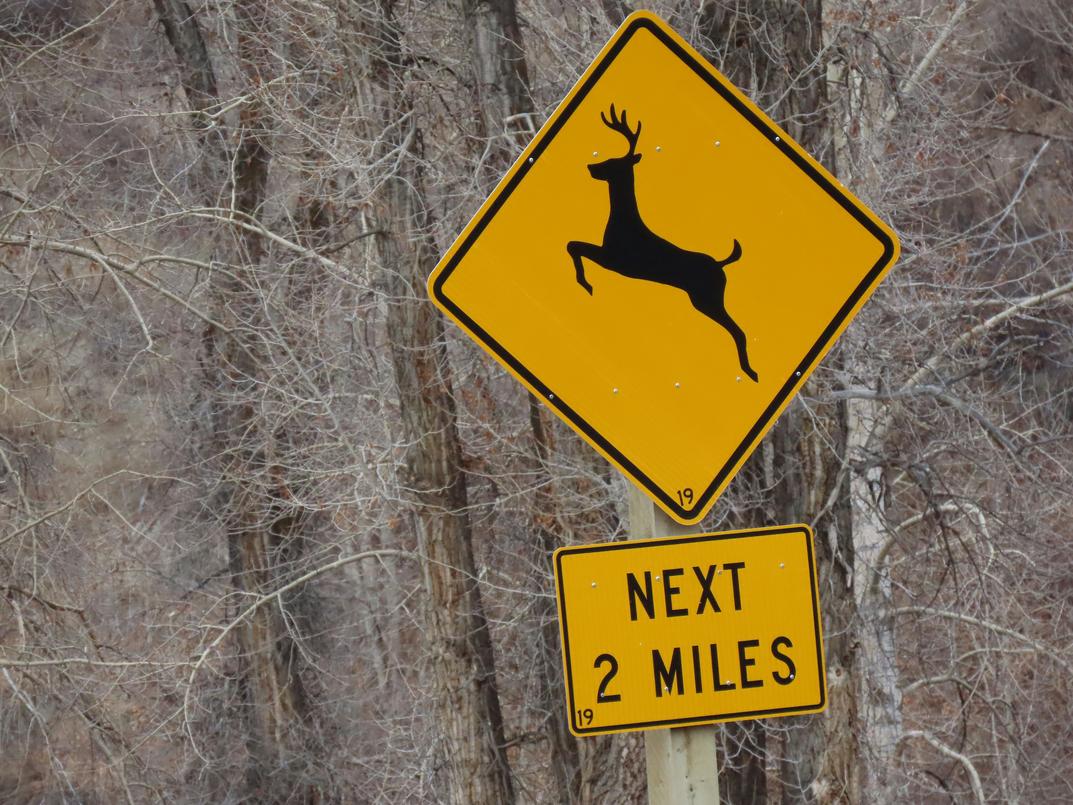
First and foremost: do not run. Running can trigger a chase response (and you will not outrun a bear or a mountain lion—no matter how many treadmill sprints you’ve logged).
Instead:
- Stand your ground
- Make yourself look large by raising your arms or trekking poles
- Speak firmly and calmly
- Back away slowly without turning your back
Now, here’s where it gets specific.
Black bear: If a black bear approaches, make noise and appear bigger. If it attacks, fight back aggressively. Black bears are more likely to retreat when confronted.
Grizzly bear: Grizzlies are more defensive, especially mothers with cubs. Avoid direct eye contact and speak softly while backing away. If a grizzly makes contact in a defensive attack, play dead by lying flat on your stomach and protecting your neck. (Yes, it feels counterintuitive—but it works in many documented cases, according to the National Park Service.)
With mountain lions, maintain eye contact, never crouch, and be prepared to fight back if attacked. Think less “freeze like in Jurassic Park” and more “confidently hold your ground.”
Large Herbivores (Moose, Elk, Bison)
Despite their plant-based diets, these animals are not gentle forest cows. Moose, elk, and bison are powerful, territorial, and surprisingly fast. Mothers with young are especially defensive.
Give them an extremely wide berth—at least 25 yards for elk and moose, 100 yards for bison, per National Park Service guidelines. More importantly, ensure they have a clear escape route. Cornered animals panic, and panic leads to charges.
If one pins its ears, lowers its head, or paws the ground, that’s your cue to leave immediately.
Snakes and Small Mammals
For snakes, prevention is key:
- Watch your step, especially in tall grass or rocky areas
- Never reach blindly into crevices
- Step onto logs, not over them
Most bites occur when someone accidentally startles a snake (Centers for Disease Control and Prevention).
As for raccoons or squirrels, don’t let their size fool you. Feeding or handling small mammals increases the risk of bites and diseases like rabies. It also conditions them to approach humans—bad for them and worse for hikers.
Ultimately, wildlife safety on hiking trails comes down to awareness, distance, and respect. You’re visiting their home—act accordingly.
You now have essential guidelines and precautions to ensure wildlife safety on hiking trails. The problem is, many hikers ignore them. We’ve all seen it: someone edging closer for a photo, leaving scraps behind, blasting music through a valley. It’s frustrating because the wilderness is shared space, not a theme park.
A lack of preparation disrupts a delicate balance. When you’re proactive, keep your distance, and know how to react, you protect yourself and preserve what makes these places wild.
Before your next trek, review this checklist:
- Pack out everything
- Respect boundaries
Commit to being a responsible visitor.
Ready for Your Next Wilderness Breakthrough
You set out to learn how to explore smarter, trek farther, and protect both yourself and the wild places you love. Now you have the strategies, gear insights, and trail-tested knowledge to do exactly that.
The truth is, uncertainty in the outdoors can turn an incredible journey into a stressful one. Poor preparation, lack of awareness, and ignoring wildlife safety on hiking trails are mistakes that can cost you confidence—or worse, your safety. You don’t want to second-guess your gear, your route, or your readiness when you’re miles from the trailhead.
The good news? You’re no longer walking in unprepared. With the right trekking strategies, proper gear maintenance habits, and a deeper understanding of zonal wilderness exploration, you’re equipped to move forward with clarity and control.
Now it’s time to act. Review your gear checklist, refine your trail plan, and apply what you’ve learned before your next outing. Thousands of outdoor enthusiasts rely on our proven adventure insights and trusted recommendations to explore with confidence.
Don’t let uncertainty hold you back from the wild experiences you’re craving. Get prepared, stay alert, and take your next step into the horizon—ready for whatever the trail brings.