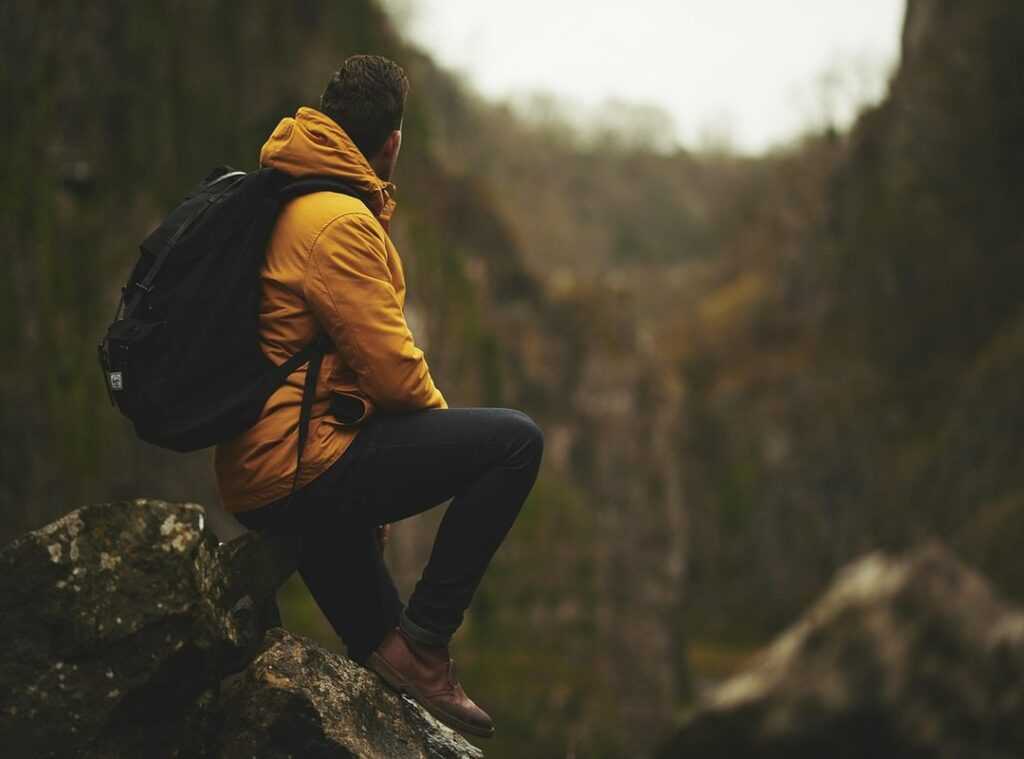
Staring at a map full of terrains can be both thrilling and overwhelming. There’s something magical about imagining yourself among towering mountains or across vast deserts, right? But let’s be real: the thrill fades fast when you realize how much prep work goes into trekking different terrains.
How do you even start?
I get it. I’ve been there, feeling lost in dense forests or baking under the sun in canyons. And here’s what I’ve learned (preparation) isn’t just nice; it’s non-negotiable.
Without it, your adventure can quickly turn into a mess. This guide will strip away the confusion and arm you with the essentials, so you can confidently set out to explore any space. Ready to replace that overwhelming feeling with confidence?
You’re in the right place.
The Universal Explorer’s Toolkit: Core Principles for Any
Every adventurer needs a foundation. You know, the basics that keep you safe and sane. Let’s start with the “Leave No Trace” philosophy.
It’s all about respecting nature. The seven principles are simple: plan ahead, travel on durable surfaces, dispose of waste properly, leave what you find, minimize campfire impact, respect wildlife, and be considerate of others. Easy, right?
Just don’t be that person who leaves a mess for the next explorer.
Now, navigation. It’s key. Redundancy is key.
Always have a physical map and compass. Sure, GPS is handy, but don’t rely solely on electronics. Batteries die, and signals fade.
A smartphone with offline maps is great, but it’s not foolproof. Trust me, you’ll thank yourself when tech fails.
Let’s talk layering (think) of it as a three-layer onion. The base layer wicks moisture. The mid layer insulates.
The outer layer protects from wind and rain. Simple but effective. You stay warm and dry in any weather.
First-aid and emergency planning are non-negotiable. Carry a well-stocked, personalized first-aid kit. And don’t forget to share your trip plan with someone you trust.
Better safe than sorry, right?
For more ways to boost your outdoor adventures, check out these maximize trekking experience tips. Whether you’re trekking different terrains or just exploring your local park, having the right tools and mindset makes all the difference. Now, go explore and leave no trace behind.
Conquering the Heights: Strategies for Forests and Mountains
Trekking different terrains can feel like navigating a real-life episode of Survivor. Ever tried hiking a mountain? You know it’s not just a walk in the park.
The elevation and dense terrain throw curveballs that even the most seasoned hikers need to prepare for.
Let’s start with gear. Your feet are your best friends out there, so treat them right. Sturdy, waterproof hiking boots with ankle support are non-negotiable. Trust me, when you’re halfway up a mountain and hit a slippery patch, you’ll thank those boots.
Trekking poles are another must-have. They save your knees on those brutal ascents and descents, plus they give you that much-needed stability. It’s like giving your arms a job in this whole adventure.
Altitude sickness is like an uninvited guest at a party. It shows up with headaches and nausea, and it doesn’t care about your plans. The trick?
Acclimatization. Go slow, let your body adjust. Rushing is a rookie mistake, and let’s be honest, nobody wants to be that guy.
Now, wildlife. Bears and moose aren’t Disney characters, they’re real and you might meet them. Make noise, keep your food stored securely, and maintain a safe distance.
It’s about respect, not fear.
Forests present their own challenges. A dense canopy can mess with your sense of direction. Ever felt like you’re in a maze?
Use a compass. Look for trail markers or natural landmarks to stay on course. It’s not just about avoiding getting lost; it’s about staying found.
For more on the types terrain you might encounter, it’s worth checking out expert advice. Every terrain has its quirks. Knowing them makes all the difference.
Thriving in the Desert: Conquer the Barren
Ever thought about what it takes to thrive in a desert? It’s not just about walking on sand. The main challenges are heat and lack of water.
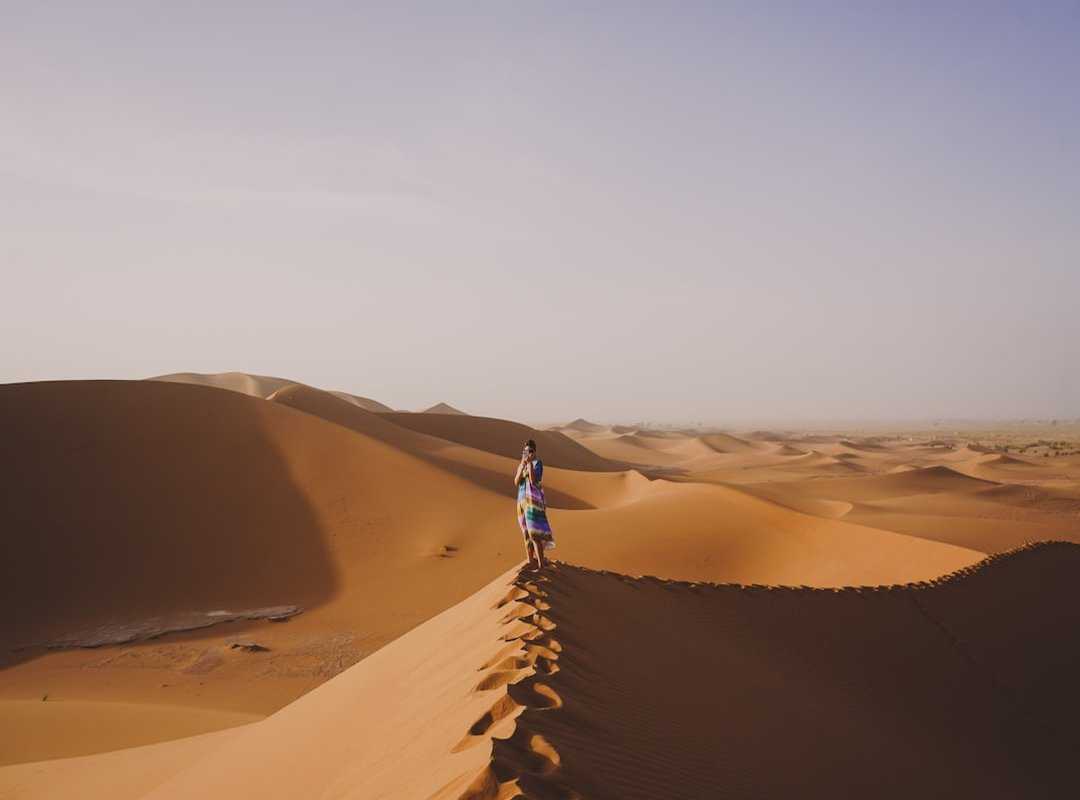
You might think, “I’ll just drink more water.” Sure, but how much is enough? The Golden Rule here is a gallon of water per person per day. Hydration packs or water bottles?
That’s another debate, but I find packs more convenient for trekking different terrains.
Sun protection is your best friend. Forgetting it is like forgetting sunscreen at the beach (you’re) going to regret it. A wide-brimmed hat, UV-protective sunglasses, and lightweight, light-colored long-sleeve clothing are non-negotiables.
High-SPF sunscreen is your best friend here.
Timing your trek is key. Midday heat isn’t just uncomfortable; it’s dangerous. So when should you hike?
Early morning or late afternoon. Trust me, hiking under the midday sun feels like you’re in an oven.
And let’s not ignore the unique desert hazards. Ever hear about flash floods in canyons? They happen, and they’re no joke.
Always check the weather forecasts. Venomous creatures? Just look before you place your hands or feet anywhere.
Simple, but life-saving advice.
Want to master these skills for solo adventures? Check out these Important Skills Solo Trekking. These tips could be the difference between a memorable trek and a miserable one.
So are you ready to conquer the desert?
Along the Edge: Essentials for Coasts and Waterways
Coastal and riverine environments are unpredictable. One minute you’re trekking different terrains, the next you’re dodging rising tides. Ever checked a tide chart?
It’s not just a map with squiggly lines. It’s your lifeline on a coastal hike. Trust me, getting cut off by the tide is not fun.
Now, let’s talk gear. You need a reliable waterproof rain jacket and a pack cover. Why?
Water shoes or sandals for those crossings, folks. Your feet will thank you.
Because getting drenched is a mood-killer. Quick-drying fabrics are your best friends (ditch the cotton). And don’t skimp on footwear.
Picture this: you’re walking on slippery rocks or loose sand. Sounds treacherous, right? Good-traction footwear is key.
Ever tried navigating slick mud without it? You’d end up flat on your back. Take deliberate, careful steps.
It’s a dance, really. A slow, cautious dance with nature.
And, if you’re crossing rivers or kayaking, water safety isn’t optional. Assess those currents. They can be stronger than they look.
Wear a PFD when needed. It’s not just a bulky vest; it’s a lifesaver.
Pro Tips for Coastal Trekking
- Always check tide charts before heading out.
- Invest in quality waterproof gear.
- Choose quick-drying, non-cotton clothing.
- Use good-traction shoes on slippery paths.
- Prioritize water safety, especially in rivers.
These aren’t just tips. They’re essentials for anyone venturing out. So, are you prepared for the coast’s challenges?
Or are you still thinking it’s just a walk by the water?
Ready to Tackle Any Terrain?
You’ve got what it takes now. Dive into trekking different terrains without fear. Remember when those landscapes seemed overwhelming?
Not anymore. You’ve learned to adapt your gear to match any environment. Those universal principles in your toolkit?
They’re gold.
Why hesitate? Explore our gear guides and destination takeaways. They’re your ticket to planning the details of your next trek.
Start now. Whether it’s a mountain peak or a dense forest, you’re equipped. Don’t just dream about it.
Make it happen. Visit our site and get ready to conquer the world. Your adventure awaits.