
Planning a wilderness trek can feel overwhelming—especially when you’re trying to balance route selection, gear preparation, safety, and endurance. Whether you’re heading out for your first overnight hike or preparing for an extended backcountry expedition, you’re likely looking for practical guidance you can trust. This article is designed to give you exactly that: clear, field-tested insights on outdoor essentials, navigation strategies, gear maintenance, and multi-day hiking pacing techniques that help you conserve energy and stay strong through every stage of your journey.
We’ve drawn from experienced trekkers, wilderness best practices, and proven backcountry planning frameworks to ensure the information here is reliable and actionable. From understanding terrain zones to optimizing your pack weight and recovery rhythm, you’ll find strategies that align with real-world hiking conditions. By the end, you’ll have a confident, structured approach to exploring the outdoors safely, efficiently, and with greater enjoyment.
Beyond the Second Day: A System for Unbreakable Hiking Endurance
Every trekker knows the Day Two Wall—the moment when legs feel like sandbags and motivation evaporates. This guide delivers a COMPLETE system to push past it. Instead of vague advice, you’ll learn field-tested strategies seasoned explorers rely on for sustained zonal wilderness performance.
Here’s what you gain:
• Reliable energy from smart fueling and hydration rhythms
• Steady confidence through multi-day hiking pacing techniques
We’ll cover pacing, nutrition, gear optimization, and recovery so you finish STRONG, not surviving. The payoff? More miles, clear thinking, and freedom to enjoy the view.
The Art of the “Forever Pace”: Why Slow is Fast
The secret to lasting longer outdoors isn’t speed—it’s control. A conversational pace means you can speak in full sentences without gasping for air. If you can chat about last night’s dinner while climbing, you’re in the right zone. If you sound like you’re auditioning for a dramatic survival scene, you’re going too hard.
Why does this matter? Because consistency beats intensity. Sudden heart rate spikes accelerate muscle fatigue and burn through glycogen (your body’s stored fuel) far too quickly (and no one enjoys bonking halfway up a ridge). By staying steady, you delay exhaustion, recover faster, and cover more ground overall. Slow really does become fast.
Actionable Tip 1: The Rest-Step Technique
On steep inclines, briefly lock your back leg straight with each step, letting your skeleton—not your muscles—bear weight for a split second. This mountaineering staple conserves energy and keeps breathing calm.
Actionable Tip 2: Scheduled Micro-Breaks
Take 5-minute breaks every hour, even if you feel strong. Proactive recovery stabilizes output and supports multi-day hiking pacing techniques.
Pro tip: Eat small snacks during breaks to maintain steady blood sugar.
The payoff? More endurance, clearer thinking, and the strength to enjoy the view instead of collapsing before it.
Fueling the Engine: Calorie Density and Strategic Hydration
Forget the oversized bag of “gorp.” Smart trail nutrition is about understanding how your body produces energy. Complex carbohydrates (like oats or whole grains) break down slowly, delivering steady fuel for long climbs. Simple sugars (think honey packets or chews) digest quickly, giving you a rapid boost when you hit a steep switchback. Protein supports muscle repair overnight—critical after back-to-back mileage days. According to the American College of Sports Medicine, endurance athletes perform best when carbs make up 45–65% of daily intake (ACSM, 2016). The benefit? Fewer energy crashes and stronger mornings.
The Calorie Density Rule
Calorie density means calories per ounce. Higher density = more energy, less pack weight (your knees will thank you).
High-density foods (200+ cal/oz):
- Nuts and nut butters
- Olive oil
- Dried meats
- Dark chocolate
Low-density foods (under 100 cal/oz):
- Fresh fruit
- Bread
- Cooked rice
- Most vegetables
Choose foods that work harder than you do. The payoff is lighter loads and sustained endurance.
Hydration Is Proactive, Not Reactive
If you’re thirsty, you’re already behind. Pre-hydrate before departure and sip consistently—especially when applying multi-day hiking pacing techniques. Even mild dehydration (2% body weight) can impair performance (Journal of Athletic Training, 2010). Steady sipping protects stamina and mental clarity.
The Electrolyte Imperative
Sweat drains sodium, potassium, and magnesium. Replacing water without electrolytes can dilute blood sodium (hyponatremia). Powders or tablets restore balance—particularly in heat or at elevation. Pair this with altitude acclimatization tips for mountain trekkers (https://havajazon.com/altitude-acclimatization-tips-for-mountain-trekkers/) to maximize resilience.
The result? More miles, better recovery, and a trail experience powered by strategy—not guesswork.
Your Pack is Your Partner: Mastering a Lighter Load
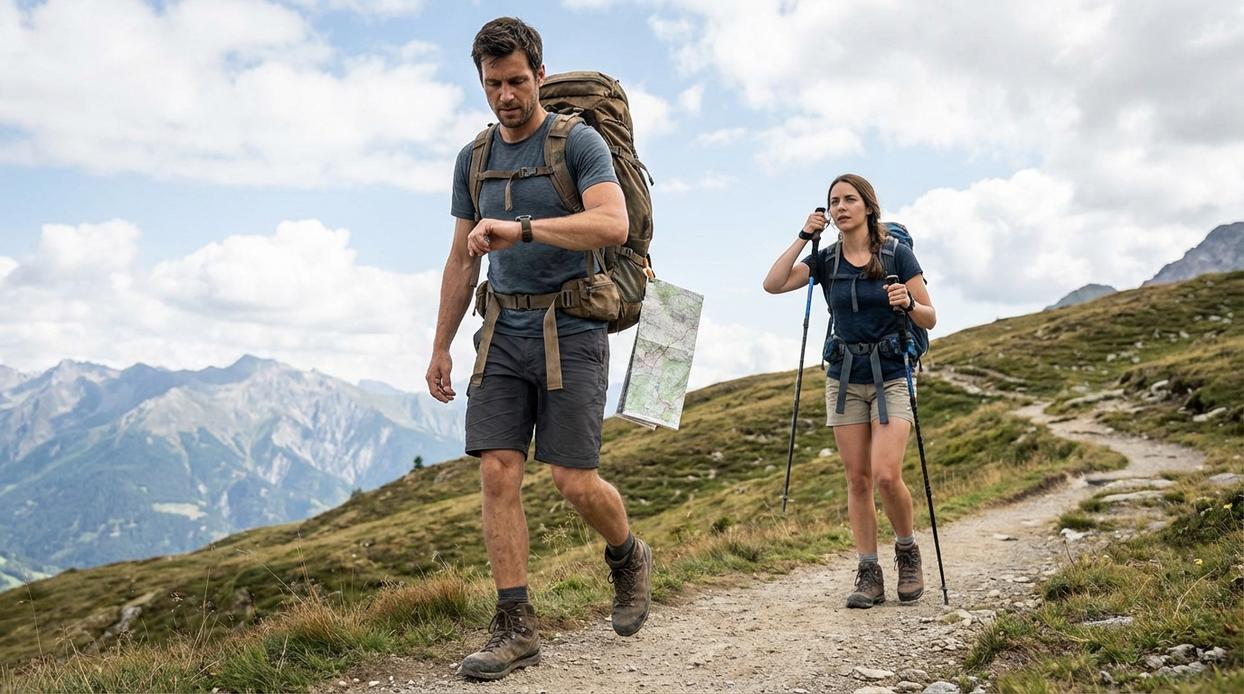
Every multi-day trek begins with a simple truth: your pack is either your partner or your punishment. Start with a “Big Three” audit—that’s your pack, shelter, and sleep system. These three items typically make up the bulk of your base weight (the weight of your gear before food and water). Swap a 5-pound tent for a 2-pound trekking-pole shelter, and you’ve just saved 3 pounds—multiplied over 50,000 steps a day (your knees will notice).
Next, adopt a multi-use gear philosophy. Think:
- Trekking poles that double as tent supports
- A buff with 10+ uses (hat, towel, pre-filter, bandage)
- A cook pot that’s also your bowl and mug
It’s the Swiss Army knife mindset—less Batman utility belt, more minimalist Jedi.
Beyond gear, scrutinize consumables. Repackage food into zip bags, ditch cardboard, and measure fuel precisely. An extra 4 ounces of fuel over five days equals needless energy expenditure (roughly 5–7% more caloric burn, per load-carry research from the U.S. Army Research Institute of Environmental Medicine).
Use multi-day hiking pacing techniques in the section once exactly as it is given
Prediction (speculative): Ultralight modular systems will dominate future trekking trends as material science advances.
Pro tip: Weigh everything. If it doesn’t serve at least two purposes, reconsider it.
Active Recovery: How You Camp Determines How You Hike
The first 30 minutes in camp can decide whether tomorrow feels triumphant or tragic. First, pitch your shelter. Second, swap sweaty layers for dry camp clothes (your future self will thank you). Third, elevate your feet against a pack or log to reduce inflammation—gravity is free therapy.
Targeted Stretching
Before dinner, loosen up:
- Calf stretch against a rock or tree
- Hamstring fold to ease trail tightness
- Quad stretch standing or side-lying
- Hip flexor lunge to counter uphill climbs
It’s not yoga class—no one’s judging (except maybe that smug pine tree).
Foot Care Is Endurance Care
Clean, dry, and inspect feet nightly. Check for hotspots—early redness that becomes blisters if ignored. Pro tip: tape trouble spots before bed.
Optimizing Sleep
Choose flat ground, fine-tune pad inflation, and wear earplugs. Yes, the forest is loud.
Remember: Use multi-day hiking pacing techniques. Recovery isn’t lazy—it’s strategic.
Your Blueprint for Lasting Trail Stamina
True endurance isn’t raw fitness—it’s a system. In simple terms, endurance is your ability to sustain steady effort without crashing, and that comes from repeatable habits, not heroic bursts of energy. Too often, trips get cut short because hikers confuse strength with stamina (they’re not the same thing).
The fix is practical. By combining strategic pacing, smart trail nutrition, weight management, and intentional recovery, you build capacity mile by mile. Techniques like multi-day hiking pacing techniques simply mean planning effort across days, not hours.
So, start small. Pick one strategy and test it on your next hike. Notice the difference.
Keep Your Momentum Strong on Every Mile
You set out to master smarter trekking strategies, protect your gear, and move confidently through changing terrain—and now you have the tools to do it. From route planning to recovery habits and multi-day hiking pacing techniques, you’re better prepared to handle the physical and mental demands of extended wilderness travel.
Ignoring pacing, preparation, or maintenance is what turns an epic trek into an exhausting struggle. Fatigue builds. Small gear issues become big problems. Momentum fades. But with the right approach, each day on the trail becomes more controlled, more efficient, and far more rewarding.
Now it’s time to put this knowledge into action. Start planning your next route with a realistic mileage strategy. Audit your gear before you leave. Apply these pacing principles on your very next outing.
If you want proven trail-tested strategies, expert-backed guidance, and outdoor insights trusted by thousands of serious adventurers, explore our latest wilderness resources and gear guides today. Don’t just hike farther—hike smarter. Get equipped, get prepared, and step into your next adventure with confidence.