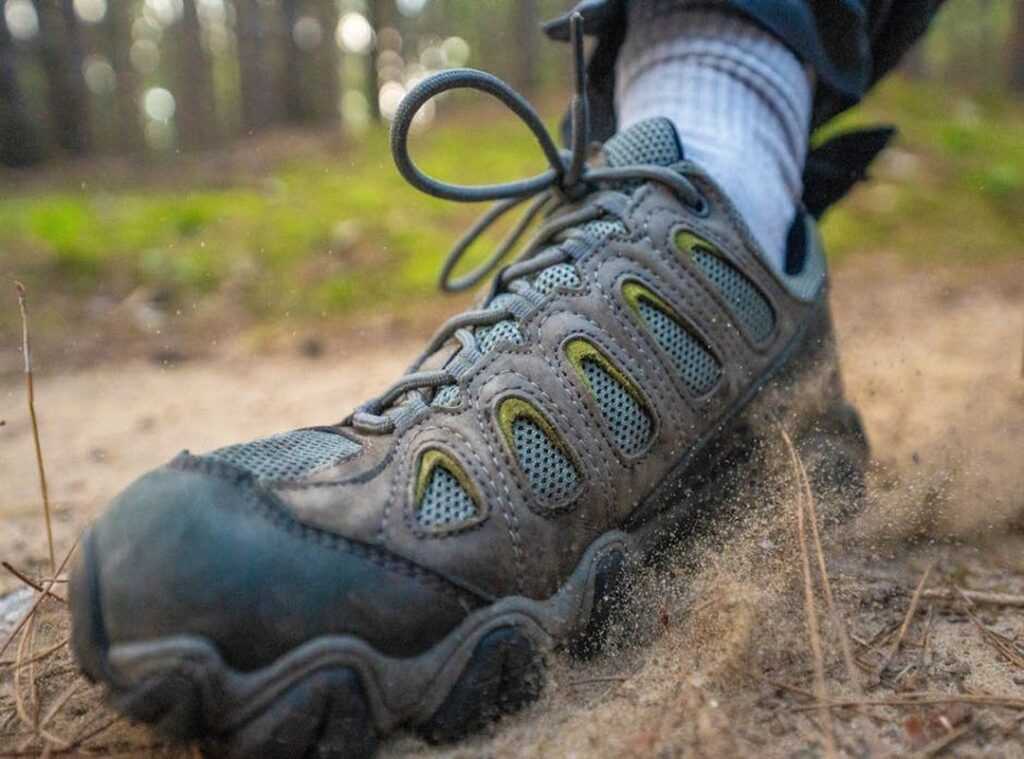
We’ve all been there. Midway through a trail and suddenly your dependable hiking boots betray you. They crack, they leak, they practically scream, “I wasn’t taken care of!” It’s frustrating, costly, and frankly, unsafe.
I’ve hiked countless trails (muddy,) rocky, snowy. And I’ll tell you, hiking boots maintenance is not optional. It’s important.
You’re probably wondering, how do I keep them going season after season? This article tackles that head-on. I’m sharing hard-won wisdom from years of stomping through nature’s playground.
You’ll get more than just random tips. You’ll leave with a full maintenance system to protect your investment, ensuring your boots stay comfortable and dry. Trust me, you’ll be ready to hit the trails without worrying about gear failure.
Ready to extend your boots’ life? Let’s do this!
Longevity in Every Step: Care for Your Boots
Footwear care isn’t just a chore. It’s the difference between a joyful trek and a blister-filled nightmare. Think of your hiking boots like a car engine.
Just like an engine needs oil, your boots need care to make sure they perform at their best. After all, hiking boots maintenance is key for comfort, performance, and safety on the trail.
Enemies lurk everywhere. Abrasive dirt grinds away at materials. Moisture creeps in from rain and sweat, and UV rays degrade everything under the sun (literally).
So, what’s the solution? Regular care.
Here’s a simple system to keep your boots trail-ready.
After every hike, give them a quick brush-off and check for damage. If you’ve had a particularly muddy trek, go for a deeper clean.
Every few hikes, especially after mud-caked adventures, do a full clean and dry.
Seasonally or when needed, dive into a deep clean, re-waterproofing, and conditioning.
Look for visual cues: caked-on mud, water not beading on the leather, stiff material, or visible scuffs. These signs scream for attention.
Want to keep your gear in top shape for the next season? This guide could be just what you need. Remember, the trail waits for no one.
Keep your boots primed and ready, and they’ll take care of you every step of the way.
The Important Cleaning Ritual: From Mud to Majesty
Maintaining hiking boots isn’t just about prolonging their life; it’s about performance. Ever tried trekking with mud-caked boots? Not fun.
First, preparation is key (no shortcuts here). Remove laces and insoles. Why?
Because cleaning them separately ensures even drying and a less soggy boot. Skipping this step means you’re leaving dirt to fester. Gross, right?
Next, we tackle the dry cleaning phase. You need a soft-bristled brush to knock off loose dirt and debris. Get into the seams and hardware (those) hidden crevices are dirt magnets.
Skipping this step is like brushing half your teeth. Who does that?
On to wet cleaning. Different materials, different methods. For synthetics, use a gentle soap or specialized gear wash.
Full-grain leather? Saddle soap or a leather cleaner is your go-to. Pro tip: use lukewarm water.
Hot water’s a no-go; it damages the fabric. Harsh detergents? You might as well use sandpaper.
Now, the often-forgotten interior. A damp cloth with mild soap solution will do. Salt and sweat buildup inside degrade liners and make for a funky smell (not the good kind).
This step is key for overall hiking boots maintenance.
Proper drying isn’t just a suggestion. It’s key. Put them near a fire or radiator, and you risk cracking the leather or ruining the adhesives. Go for air-drying at room temperature. Stuffing them with newspaper? Genius. It absorbs moisture and keeps the shape intact. Don’t just take my word for it, check out this breakdown for more takeaways.
In short, treat your boots right, and they’ll treat you to many more adventures. Skip steps at your own peril, and remember, each action counts. Ready to hike without worries?
Let’s lace up and go.
Restoring Protection: Waterproofing and Conditioning Explained
Let’s clear up a common mix-up. What’s the real difference between waterproofing and conditioning? Waterproofing builds a barrier.

It keeps out the external moisture that can ruin your day (and your shoes). Conditioning, on the other hand, feeds the materials. Especially leather.
It keeps them flexible and stops cracking. Ever wondered why your hiking boots are stiff and cracking? That’s lack of conditioning.
Now, different waterproofing treatments have their own perks. Spray-on solutions like Nikwax and Grangers work well for synthetic fabrics, nubuck, and suede. They’re easy to apply.
Then there’s wax-based options like Sno-Seal and Obenauf’s. Perfect for full-grain leather boots. Heavy-duty protection, deep conditioning (but) watch out, it can darken the leather.
Here’s a pro tip: Always apply these treatments to clean, slightly damp footwear. It enhances absorption. Oh, and if you’re unsure whether you even need waterproofing, try the water bead test.
Sprinkle a bit of water on your boot. If it beads up, you’re good. If it sinks in, time to reapply.
Let’s not forget conditioning leather. Think of it like a moisturizer. It prevents drying and cracking, especially in dry climates.
Seriously, it’s as important as sunscreen for your skin.
Need help keeping your gear in top shape? You can clean store camping gear effectively by following some best practices.
Remember, hiking boots maintenance is not just about looks. It’s about extending the life of your gear. So next time you’re prepping for the trail, ask yourself: is my gear truly ready?
Smart Storage and Trailside Triage: How To Avoid Long-Term Damage
You ever stash your hiking boots in the trunk of your car and forget them for a week? Bad idea. Proper storage is more key than you think.
Boots need a cool, dry, and well-ventilated area. No car trunks, damp basements, or anywhere with temperature extremes. Why?
Because improper storage breeds mold and mildew, causing glues and materials to break down.
In the field, you need to be prepared. Picture this: you’re miles from the trailhead, and your boot starts to fall apart. What do you do?
I’ve got you covered. Keep a small repair kit handy. A little tube of Seam Grip or Shoe Goo can save the day.
Dental floss works wonders for emergency stitching (seriously, it’s strong). Duct tape? It’s perfect for a fast fix.
Got a small hole? Patch it up temporarily with some tape and Seam Grip when you can. Delaminating sole?
Use Shoe Goo to hold it together until you’re safely back. Broken lace loop? Re-thread with floss or make a temporary loop with tape to keep hiking.
Hiking boots maintenance isn’t just about aesthetics; it’s about staying safe and comfortable out there. Address these issues as soon as they arise. Boots are like your best friend on the trail.
Treat them right, and they’ll stick by you. And hey, less time worrying about boots means more time enjoying nature, right?
Step Up Your Footwear Game
Your hiking boots maintenance is not just a task; it’s an investment in comfort and safety. I get it, gear failure is costly and annoying. That’s why this simple routine of cleaning, protecting, and storing your boots works wonders.
It tackles the core reasons your boots wear out too soon.
So why wait? Tonight, grab your boots, check their condition, and dive into that first cleaning step. This isn’t just another chore.
It’s your ticket to longer-lasting gear. Ready to keep your adventures smooth and stress-free? Start now.
Your boots (and your feet) will thank you.