Planning an expedition into rugged shorelines and untamed landscapes requires more than enthusiasm—it demands preparation, strategy, and the right gear. If you’re searching for practical guidance on coastal wilderness navigation, trekking essentials, and how to explore remote zones safely, this article delivers exactly that. We break down the core skills, tools, and route-planning techniques you need to move confidently through shifting tides, rocky headlands, dense brush, and unpredictable weather conditions.
Many outdoor guides skim the surface. Here, you’ll find field-tested strategies drawn from experienced trekkers, survival specialists, and hands-on gear evaluations conducted in real-world environments. Our approach focuses on actionable steps you can apply immediately—whether you’re mapping a shoreline route, maintaining adventure equipment, or preparing for multi-day wilderness travel.
By the end, you’ll understand how to assess terrain risks, select dependable gear, and navigate remote coastal regions with greater safety, awareness, and confidence.
Where the Land Meets the Sea: Your Coastal Wilderness Primer
As you embark on your journey through the rugged coastline, mastering the art of navigating tides and cliffs becomes essential, making it a perfect opportunity to revisit foundational techniques in ‘Navigation Basics: Using Maps and Compasses Without GPS‘.
Coastlines seduce with beauty and punish with indifference. One moment you’re strolling a beach; the next, fog rolls in and tides erase exit (nature’s version of a plot twist).
Standard backcountry skills? Useful. Sufficient? Not close.
Mountain Trail vs. Tidal Shore
- Fixed paths vs. shifting terrain
- Predictable weather windows vs. fast squalls
- Freshwater sources vs. salt-contaminated supplies
This is where coastal wilderness navigation becomes essential. Reading tide tables, mapping escape routes above surge lines, and timing crossings separate adventure from emergency. Master these, and shoreline transforms from threat to ally.
The Rhythm of the Ocean: Mastering Tides and Currents
First things first: tides are the ocean’s clock. A tidal cycle—the predictable rise and fall of sea level caused primarily by the moon’s gravitational pull (NOAA)—dictates when water moves, how fast it flows, and whether your route is safe. Some argue that experience and “reading the vibe” of the water is enough. But instinct without data can leave you stranded (the ocean doesn’t care how confident you feel).
Next, learn to read the signs. A tide chart shows predicted high and low water times for specific locations. The high-tide line—often marked by wrack (seaweed and debris) or a shift in shoreline vegetation—reveals how far water regularly reaches. Meanwhile, watch current direction: incoming tides push water shoreward; outgoing tides pull it back. These clues are foundational to coastal wilderness navigation.
However, ignoring the tidal window is risky. Picture rounding a rocky headland at low tide, only to find the return path submerged hours later. It happens more often than people admit.
So what’s next? Before your trek:
- Check the local tide schedule.
- Plan headland crossings near low tide.
- Set a turnaround time.
Pro tip: Build in a one-hour buffer for changing conditions. Tides wait for no one.
Coastal Navigation: Beyond the Compass
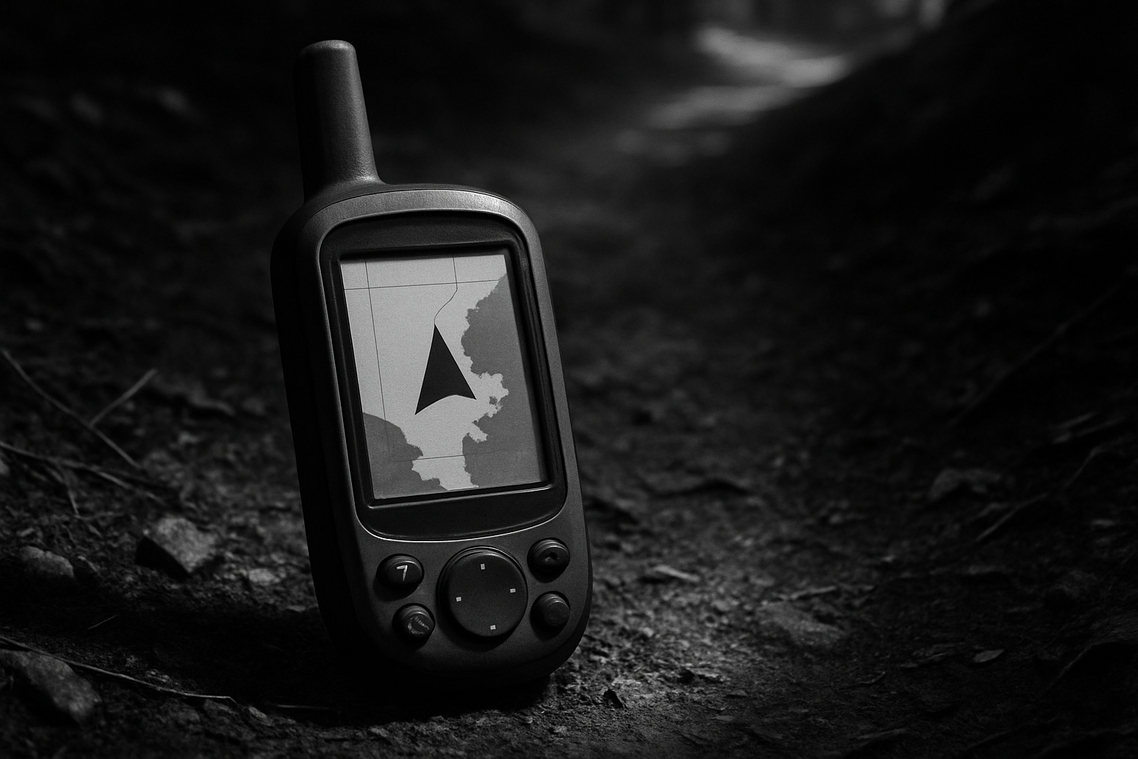
Coastal environments are dynamic, deceptive, and occasionally humbling (nothing like realizing that “obvious” headland was the wrong one). For safe coastal wilderness navigation, your gear is NON-NEGOTIABLE:
- Topographical map
- Nautical chart (if available)
- Compass
- GPS or satellite messenger
A topographical map shows land elevation and terrain shape. A nautical chart maps water depths, hazards, and shoreline features. Together, they give you the full picture—land and sea.
Map & Compass on the Coast
Start by identifying large, unmistakable features: headlands, sea stacks (isolated rock pillars offshore), and river mouths. These become natural waypoints. For example, if you’re trekking toward a crescent-shaped bay flanked by two sea stacks, take a bearing with your compass and confirm it against both your map and visible landmarks.
Pro tip: TAKE A BEARING before you leave a known location. Don’t wait until you’re unsure.
Navigating Low Visibility
Coastal fog can roll in fast (think horror movie entrance, minus the soundtrack). When visibility drops:
- Slow your pace and count steps (pacing helps estimate distance).
- Use the SOUND OF SURF to maintain orientation—waves typically indicate west-facing shorelines.
- Take frequent compass bearings and compare with terrain intervals.
GPS as a Tool, Not a Crutch
Electronics fail—especially in salt-spray environments. Keep devices in waterproof pouches, rinse them with fresh water after exposure, and dim screens to conserve battery.
Download offline maps and check coordinates periodically instead of constantly tracking. Learn more foundational skills at this navigation guide.
Remember: technology assists. SKILL SAVES.
Life-Sustaining Resources: Finding Fresh Water and Safe Food
The Paradox of Water in a Saltwater World
Finding drinkable water along a coast feels ironic (water everywhere, not a drop to drink). Look for creeks, river mouths, and coastal seeps—areas where freshwater bubbles up through sand above the high-tide line. Vegetation can be a clue; greener patches often signal underground flow. In coastal wilderness navigation, mapping elevation changes can help you trace runoff after rainfall.
That said, I’ll be honest: not every trick works in every region. Tides shift, storms reshape shorelines, and what worked last season may fail now.
Purification Is Non-Negotiable
Even clear water can carry pathogens—microscopic organisms like Giardia or E. coli that cause serious illness (CDC). Boiling, filtration, or chemical treatment are essential. Some argue that pristine-looking mountain runoff near the ocean is “probably fine.” Probably isn’t good enough.
Coastal Foraging Basics
Edible seaweeds like nori and kelp, plus shellfish such as mussels, can provide nutrients. But here’s the hard truth: 100% positive identification is mandatory. Red tides can trigger paralytic shellfish poisoning (NOAA), and toxins aren’t destroyed by cooking. When in doubt, don’t eat it.
For contrast on arid survival, see exploring desert ecosystems what makes them unique.
Shelter from the Storm: Weathering Coastal Conditions
First things first: campsite selection can make or break your trip. I firmly believe the golden rule—camp well above the high-tide line—is non‑negotiable. Look for driftwood lines, seaweed bands, or damp sand markers; they quietly reveal where the ocean last reached. If you’re guessing, you’re gambling. And in coastal wilderness navigation, guessing rarely ends well.
Beating the Wind
Next, let’s talk wind. Onshore gusts can flatten a poorly pitched tent in minutes (ask anyone who’s chased poles across a beach at midnight). Position your shelter behind natural windbreaks like dunes or dense shrubs. Angle the tent’s lowest profile toward prevailing winds, and stake deeply into compact sand. In my experience, a taut pitch is the difference between restful sleep and fabric chaos.
Finally, managing moisture is crucial. Salt air seeps into everything. Store gear in dry bags, ventilate your tent, and change out damp layers quickly—because hypothermia doesn’t care that it’s summer.
Your journey begins where land meets tide. To move confidently, remember the pillars: tide mastery, specialized navigation, and relentless resourcefulness. The coast is breathtaking, yet unforgiving; preparation is everything. While many guides romanticize sunsets, few explain how shifting sandbars rewrite maps overnight. That’s where coastal wilderness navigation sets you apart. Instead of reacting to danger, you’re unlocking hidden coves and longer, safer routes. So, start small: practice reading tide tables, test your bearings on familiar trails, and refine your kit. Then, plan your next trekking adventure with earned confidence and curiosity. Adventure favors the prepared, not the reckless explorers everywhere.
Keep Exploring With Confidence
You set out to better understand how to prepare for coastal expeditions, protect your gear, and move safely through unpredictable terrain. Now you have practical strategies to plan smarter routes, maintain your equipment, and approach every shoreline trek with clarity and control.
The real challenge with wilderness exploration isn’t excitement — it’s uncertainty. Shifting tides, harsh elements, and overlooked maintenance mistakes can quickly turn an adventure into a setback. By applying proven techniques for coastal wilderness navigation, gear care, and route planning, you reduce risk and increase confidence every time you head out.
Now it’s time to act. Review your current gear, upgrade what’s holding you back, and refine your next route plan using the strategies you’ve learned here. Thousands of outdoor enthusiasts rely on our trusted insights and field-tested recommendations to explore smarter and safer.
Don’t let poor preparation limit your next adventure. Get equipped, plan intentionally, and step into your next coastal journey fully prepared.