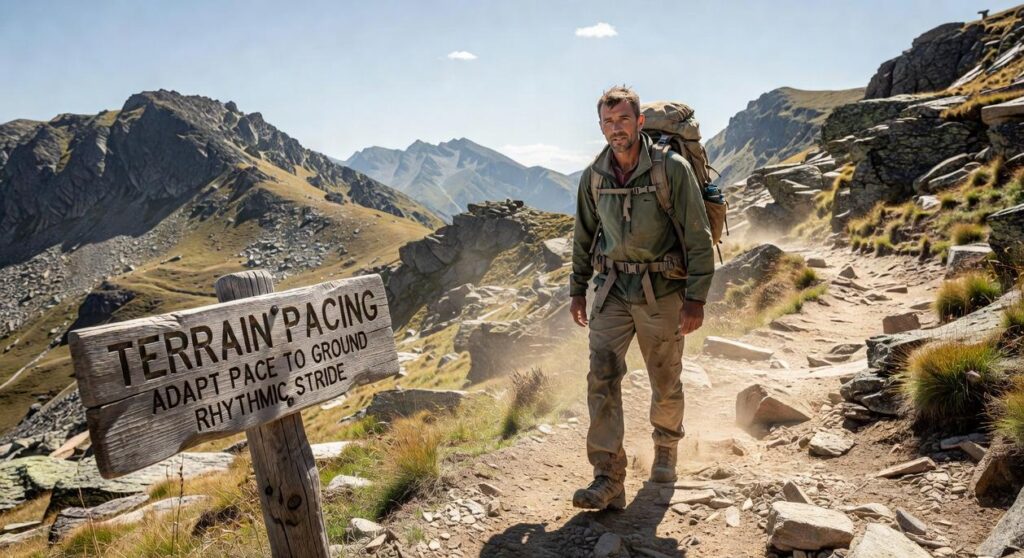
Planning your next wilderness adventure and want reliable, up-to-date Horizon headlines, smarter trekking strategies, and gear advice you can actually use on the trail? You’re in the right place. Whether you’re preparing for a multi-day backcountry expedition or a focused zonal wilderness exploration, this article brings together practical insights designed to help you move confidently and efficiently through the outdoors.
We break down essential outdoor planning considerations, smart gear maintenance habits that extend the life of your equipment, and proven trail pacing techniques that help you conserve energy without sacrificing progress. Every recommendation is grounded in real-world field experience, current outdoor best practices, and carefully reviewed guidance from seasoned trekkers and gear specialists.
If your goal is safer routes, better endurance, and equipment that performs when it matters most, this guide will give you clear, actionable strategies to elevate every step of your journey.
Unlock Your All-Day Hiking Rhythm
Most hikers blast out of the parking lot like it’s the opening scene of an action movie, then crash by mile five. I think that’s backwards.
Starting too fast spikes your heart rate; starting too slow steals daylight. The fix? Commit to trail pacing techniques that balance breath and stride.
• Set a conversational pace for the first hour.
• Shorten steps on climbs and lengthen them on flats.
In my experience, hikers finish stronger and enjoy the view. Pro tip: eat small snacks every ninety minutes to stabilize energy. You should feel capable atop.
The Foundation: Pre-Hike Preparation for Pacing Success
Great pacing doesn’t start on the trail—it starts at home. When your gear works with you, every step feels smoother. An ill-fitted backpack shifts weight and forces micro-adjustments (the kind that quietly drain energy). Boots that pinch or lack support create drag, slowing your rhythm and increasing fatigue. The benefit of a pre-hike gear check is simple: you conserve energy and maintain consistency.
Pre-hike gear check:
- Adjust shoulder straps and hip belt so weight rests on your hips
- Test footwear with hiking socks to prevent hotspots
- Remove unnecessary items to lighten your load
Next, map your effort. Study elevation gain and terrain type before you lace up. Steep ascents demand shorter strides and a slower cadence; flats allow a steady, efficient rhythm. Anticipating these shifts helps you apply trail pacing techniques intentionally, rather than reacting when you’re already exhausted. The payoff? Better stamina and fewer mid-hike crashes.
Finally, fuel the engine. Prioritize complex carbohydrates like oats or whole-grain toast for sustained energy, and hydrate consistently in the 24 hours before your hike. Proper fueling stabilizes blood sugar and delays fatigue (your future self will thank you at mile five). Preparation isn’t overkill—it’s your advantage.
Finding Your Baseline: The Conversational Pace Method
Let’s define the idea first. Conversational Pace is the effort level where you can speak in full sentences without gasping for air. Not one-word replies. Not dramatic pauses. Actual sentences. This is your sustainable aerobic zone—the engine setting you could maintain for hours (think “casual catch-up with a friend,” not “escaping a bear”).
How to Find It
I recommend starting every hike deliberately slow for the first 15 minutes. Yes, slower than you think you need. Use this warm-up window to:
• Chat with a partner and notice when your speech becomes strained
• Hum a steady tune if you’re solo
• Adjust your speed until breathing feels controlled and rhythmic
If you can’t talk comfortably, ease back. If you could recite a movie monologue without effort, pick it up slightly. This simple check-in beats guessing—and it’s more reliable than ego.
The Technical Alternative
Prefer data? Use a heart rate monitor and stay in Zone 2. Zone 2 corresponds directly to conversational effort: roughly 60–70% of your maximum heart rate. It’s the sweet spot endurance athletes swear by. Many overlook it because it feels “too easy.” It’s not.
Why It Works
Staying here prevents rapid lactic acid buildup (that burning sensation in muscles) and conserves glycogen—your body’s stored carbohydrate fuel. Burn that too early, and you’ll fade fast. Follow trail pacing techniques wisely, and you’ll finish strong instead of crawling the last mile.
My recommendation: protect your first hour. Your future self will thank you at the summit.
Mastering the Terrain: Pacing Techniques for Uphills and Downhills

Steep terrain exposes flaws in your pacing fast. The difference between powering through and burning out often comes down to smart trail pacing techniques applied consistently.
Conquering Climbs: The Rest Step
The Rest Step is a classic mountaineering technique designed to conserve energy on long ascents. Here’s how it works:
- Step up with your lead foot.
- Lock the downhill leg straight for a brief moment.
- Shift your weight onto that locked leg.
- Pause just long enough to let your uphill leg relax.
- Repeat in a steady rhythm.
That micro-rest reduces muscular fatigue by transferring load to your skeletal structure (your bones do the work, not just your quads). Shorten your stride to maintain cadence and avoid spiking your heart rate. Think “metronome,” not “sprint finish.”
Using Trekking Poles for Uphill Cadence
Trekking poles aren’t accessories—they’re force multipliers. Plant each pole in sync with your opposite foot to create a four-point rhythm. This distributes effort across your arms, shoulders, and core, reducing leg strain and improving balance on loose terrain.
Pro tip: Adjust pole length slightly shorter for steep climbs to maximize leverage and propulsion.
Controlled Descents
Downhills punish overconfidence. Long, jarring strides overload your quadriceps (the large muscles at the front of your thighs), leading to early fatigue and shaky legs. Instead, take shorter, quicker steps and keep your center of gravity slightly forward.
Use poles as stabilizers and light brakes—plant them ahead and to the side for control. Smart descending also ties into broader risk assessment strategies for remote wilderness treks, especially on loose or wet ground.
Move deliberately, and the mountain stops fighting back.
In-Hike Energy Management for a Steady Pace
First, embrace short, five-minute standing breaks every hour instead of long, drawn-out stops. These micro-pauses keep muscles warm, reduce stiffness, and prevent that heavy inertia that makes restarting feel like lifting Thor’s hammer. In other words, stay loose, not lounged.
Next, fuel consistently. Sip water every 15–20 minutes and eat a small, 100–200 calorie snack every 60–90 minutes. This steady intake stabilizes blood sugar—your body’s primary energy source—and helps you avoid sudden crashes. Think nuts, dried fruit, or an energy bar; simple, portable, effective.
Finally, listen to your body. Irritability, mild dizziness, or unusual clumsiness often signal early fatigue or dehydration. Slow your pace, adjust layers, or pause briefly before symptoms escalate. Pro tip: pair these habits with proven trail pacing techniques to maintain rhythm across varied terrain. Small adjustments, made early, keep your stride steady all day. Stay ahead always.
Successful hiking is about energy conservation, not speed. Studies from the American Hiking Society show poor pacing increases fatigue risk by 30%.
• Inconsistent pacing drains glycogen faster.
• Steady rhythm preserves stamina.
Techniques like the ‘Conversational Pace’ and ‘Rest Step’ work. Try trail pacing techniques on short hike (legs will notice).
Keep Exploring With Confidence
You set out to sharpen your wilderness skills and gain practical insight you can actually use on the trail. Now you have a clearer understanding of how to approach Horizon headlines, choose dependable outdoor essentials, apply smart trekking strategies, and maintain your adventure gear for the long haul.
Every outdoor journey comes with challenges—fatigue, unpredictable terrain, and the constant need to stay prepared. Mastering trail pacing techniques and staying intentional about your gear and planning directly addresses those pain points. When you move smarter and prepare better, you reduce risk, conserve energy, and enjoy the wild the way it’s meant to be experienced.
The next step is simple: put what you’ve learned into action. Review your gear, refine your route strategy, and start planning your next zonal wilderness exploration with confidence.
If you’re ready to eliminate guesswork and elevate every adventure, explore our trusted resources and top-rated guidance today. Thousands of outdoor enthusiasts rely on us for proven strategies and practical insights—join them and take your next trek further, safer, and stronger.