
If you’re searching for reliable guidance on thriving outdoors, you’re likely looking for more than generic tips—you want clear, practical advice you can trust when it matters most. This article is designed to meet that need by delivering actionable insights on Horizon headlines, smart trekking strategies, zonal wilderness exploration, and essential gear maintenance.
We focus on what truly prepares you for real-world conditions, from mastering outdoor survival basics to choosing and caring for the right adventure equipment. Every recommendation is grounded in field-tested practices, up-to-date environmental awareness, and proven safety principles used by experienced trekkers and wilderness explorers.
Whether you’re planning your first backcountry hike or refining your exploration strategy, this guide will help you navigate terrain confidently, extend the life of your gear, and make informed decisions before you step onto the trail. Expect practical steps, not fluff—so you can explore smarter, safer, and more prepared than ever.
The first ten minutes decide EVERYTHING. I’ve seen capable hikers unravel because panic hijacks logic. The real threat isn’t the wilderness; it’s the spiral in your head. That’s why I swear by S.T.O.P.—Stop, Think, Observe, Plan. Stop moving. Think through facts, not fears. Observe your surroundings, resources, weather. Plan one smart next step. Critics say action beats hesitation. I disagree. Blind action wastes energy and daylight. Mastering outdoor survival basics starts with mental control, not gear.
• STOP before you sprint
• BREATHE to slow adrenaline
• MOVE with purpose, not panic
Calm is a survival tool (and it weighs nothing).
Priority #1: Shelter from the Elements
When people imagine survival scenarios, they picture finding food. In reality, exposure is the fastest killer. According to the Wilderness Medical Society, hypothermia can begin when core body temperature drops below 95°F (35°C), and it can happen in temperatures as mild as 50°F (10°C) with wind and rain. Hyperthermia is just as dangerous; the CDC reports heat-related illnesses cause over 1,200 deaths annually in the U.S. alone. Shelter isn’t optional—it’s urgent.
Understanding Exposure
Wind strips away body heat through convection (moving air pulling warmth from skin). Wet clothing accelerates heat loss up to 25 times faster than dry air. That’s why shelter is priority one in outdoor survival basics.
Natural Shelters
Look for:
- Rock overhangs that block wind
- Dense fallen trees forming natural lean-tos
- Shallow caves (check for animals first)
Improve them by adding debris walls and thick ground insulation.
Building a Debris Hut
Create a sturdy ridgepole between two supports. Lean sticks along both sides to form a rib cage. Pile leaves, pine needles, and forest litter at least 2–3 feet thick over the frame. Crawl inside and seal the entrance with debris.
Key Principles
Keep it small (your body heat must warm it), insulate from the ground, and block wind and rain. (Yes, cozy beats spacious here.)
Pro tip: If you can sit upright comfortably, it’s probably too big.
Priority #2: Locating and Purifying Water
Before you head out on your first trek, it’s essential to grasp the outdoor survival basics that could make all the difference, especially if your adventure takes you to unique locations like the stunning Anglehozary Cave – for more details, check out our Drive To Anglehozary Cave.
The Rule of Threes says you can survive about three days without water. That’s not a motivational quote—that’s physiology. After roughly 72 hours, dehydration disrupts circulation, cognition, and temperature regulation (CDC). In other words, water isn’t a comfort item. It’s a clock.
Finding and Securing a Safe Source
Most people assume you should immediately search for a roaring river. Not always. Fast-moving water looks clean, but clarity doesn’t equal safety. Instead, look for signs of reliable moisture: converging animal tracks, dense green vegetation in dry terrain, low-lying valleys, or the faint sound of trickling water at dawn when ambient noise drops.
Here’s a contrarian take: stagnant water isn’t automatically useless. While flowing streams are generally safer because movement reduces bacterial buildup (EPA), stagnant sources can still be lifesaving—if you purify them properly. The real danger isn’t the source. It’s drinking untreated water.
So how do you make it safe?
- Boiling – The gold standard. Bring water to a rolling boil for at least one minute (longer at higher elevations).
- Commercial filters/purifiers – Effective against protozoa and bacteria; check viral protection ratings.
- Chemical tablets – Lightweight and practical, though slower and taste-altering.
Pro tip: Pre-filter cloudy water through cloth before treatment.
Mastering these steps is foundational to outdoor survival basics—and pairs well with smart planning like reviewing weather awareness 101 planning safe outdoor activities before heading out.
Priority #3: The Power of a Sustained Fire
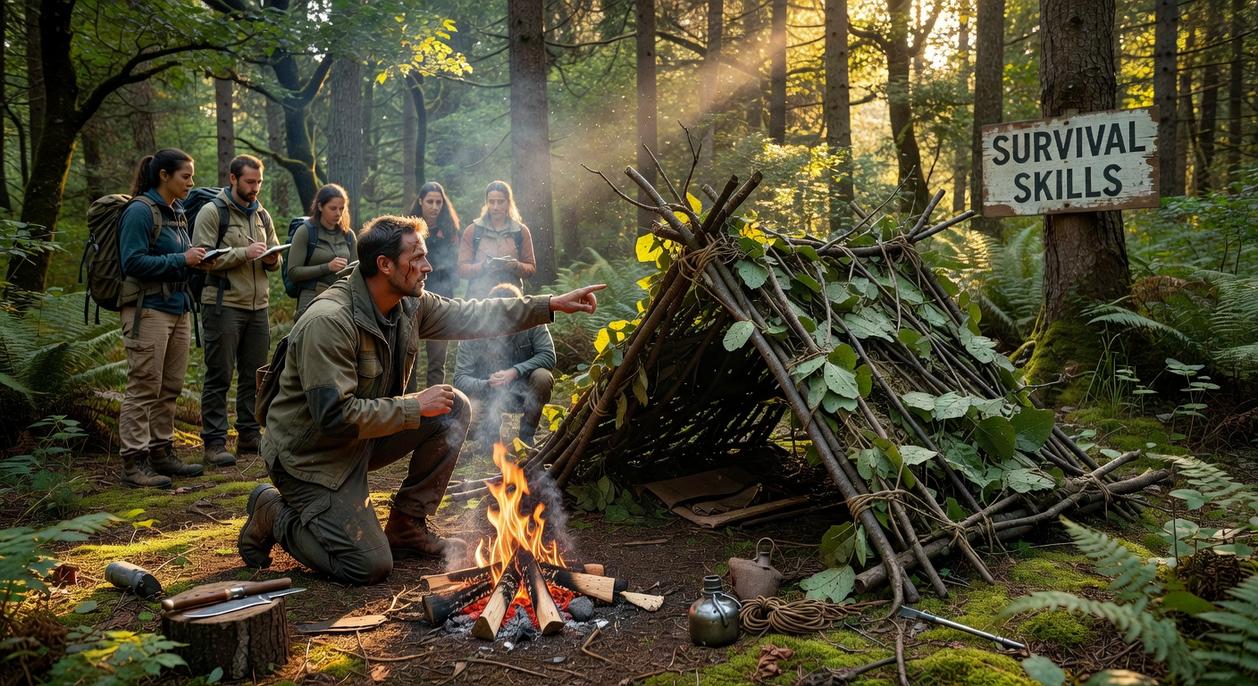
Have you ever noticed how everything feels more manageable once there’s a steady flame nearby? Fire isn’t just about warmth—it’s survival insurance. It purifies water, cooks food to kill pathogens (the CDC confirms boiling water eliminates most disease-causing organisms), signals rescuers, and boosts morale when darkness creeps in. That psychological lift matters more than most people admit (even seasoned trekkers sleep better beside glowing embers).
The Fire Triangle
Fire depends on three elements:
- Fuel – something to burn
- Heat – a spark or flame
- Oxygen – airflow to sustain combustion
Remove one, and the flame dies. Simple, but easy to forget under stress.
Gathering Materials
Think in layers:
- Tinder – dry grass, bark shavings, cotton fibers
- Kindling – pencil-sized sticks
- Fuelwood – thicker logs for long burn time
Are you collecting enough before striking a spark? Many beginners rush ignition and scramble later (sound familiar?).
Ignition Techniques
Reliable methods win. A ferro rod throws hot sparks in wet conditions. Waterproof matches and lighters are practical staples of outdoor survival basics. Friction fire? Impressive, yes—but best treated as an advanced, last-resort skill.
Pro tip: build your fire structure before lighting anything. Once it’s burning, control beats chaos every time.
Priority #4: Signaling for Rescue
If there’s one part of outdoor survival basics people underestimate, it’s signaling. Everyone focuses on fire and shelter (important, yes), but rescue only happens if someone can actually find you.
Increasing your visibility means making yourself look unnatural in a natural landscape. Big. Bold. Obvious. Search teams scan for patterns that don’t belong.
Visual signals work best when done in threes—the international distress signal. Build three fires in a triangle, stack three rock piles, or flash a signal mirror toward aircraft. Three of anything says, “This isn’t random.” (Nature rarely lines things up neatly for you.)
Audible signals travel farther than your voice. A whistle with three sharp blasts beats shouting yourself hoarse. No whistle? Bang rocks together rhythmically.
For aircraft, create large ground-to-air symbols like an X or SOS in an open clearing using logs, rocks, or contrasting debris. Pro tip: Make it at least 10 feet tall—bigger than feels necessary.
Putting It All Together: From Surviving to Thriving
When everything feels chaotic, remember the order of operations: mindset (S.T.O.P.), shelter, water, fire, and signal. That sequence isn’t random—it’s your roadmap. S.T.O.P. (Stop, Think, Observe, Plan) interrupts panic and creates space for smart decisions. Shelter protects you from exposure (the leading cause of wilderness fatalities, according to the National Park Service). Water prevents dehydration. Fire restores warmth and morale. A signal increases your odds of rescue.
Being lost is terrifying. Your brain jumps to worst-case scenarios (thanks, survival instincts). But a clear checklist replaces fear with purpose. Instead of spiraling, you act.
Here’s the truth: wilderness survival isn’t about brute strength. It’s about calm, methodical problem-solving and solid outdoor survival basics.
- Practice building a tarp shelter in your backyard.
- Start a fire safely in controlled conditions.
- Test your signaling tools before a trip.
Pro tip: rehearse these steps regularly. Confidence grows from repetition—not hope.
Your Next Step Toward Confident Wilderness Exploration
You came here to strengthen your knowledge of Horizon headlines, trekking strategies, and outdoor survival basics—and now you have a clearer path forward. From understanding zonal wilderness exploration to maintaining your adventure gear properly, you’re better prepared to step into the wild with confidence.
But preparation is more than information. The real challenge is staying ready when conditions change, terrain shifts, or supplies run low. That’s where most adventurers struggle—not with ambition, but with consistent readiness.
Now it’s time to act. Start refining your gear checklist, practice your survival techniques regularly, and upgrade the tools that support your next trek. Don’t wait until you’re deep in the wilderness to realize something is missing.
If you’re serious about exploring farther and safer, take the next step today. Equip yourself with trusted, field-tested essentials, sharpen your strategy, and commit to mastering the fundamentals. Your next adventure deserves preparation that matches your ambition—so get ready now and explore with confidence.