
Planning a trip to a U.S. national park? Before you pack your gear, it’s critical to understand the latest national park policy updates that could impact your visit. From new reservation requirements and wildlife interaction rules to sudden trail closures and permit changes, outdated information can quickly turn an exciting adventure into a costly mistake. This guide delivers a clear, up-to-date breakdown of the most significant recent changes across the National Park System. Carefully curated and continuously monitored for accuracy, it ensures you arrive prepared, compliant, and ready to explore without unexpected setbacks or safety risks.
The End of Spontaneity? Decoding New Reservation & Timed-Entry Systems
For decades, visiting a national park meant rolling up at dawn, coffee in hand, hoping for a parking spot. Now? Increasingly, it means planning weeks—or months—ahead. So what changed?
The “Why” Behind the Change
The National Park Service (NPS) introduced timed-entry systems to combat overcrowding, reduce environmental damage, and improve visitor experience. When thousands flood fragile ecosystems at once, trails erode, wildlife retreats, and traffic jams stretch for miles (yes, actual gridlock in the wilderness). By spacing arrivals, parks aim to protect habitats and shorten entrance lines. According to the NPS, pilot programs have reduced peak congestion and improved visitor satisfaction scores (NPS Visitor Use Statistics Reports).
Critics argue this kills spontaneity and favors ultra-planners. Fair point. But without controls, places like Arches saw vehicles backed up for hours in 2021. The trade-off? Structure for sustainability.
Which Parks Are Affected
Arches requires timed entry for most of the day during peak season. Glacier uses vehicle reservations for Going-to-the-Sun Road. Rocky Mountain National Park controls access to Bear Lake Road Corridor and the broader park during busy months. Expect more national park policy updates as visitation continues rising (speculation, but trends point that way).
How to Secure Your Spot
- Create a Recreation.gov account early.
- Check release windows—some tickets drop months ahead, others the night before.
- Log in right at release time (they go fast).
Pro-Tip for Last-Minute Planners
Enter before timed hours begin or after they end. Also, monitor newly released ticket blocks—cancellations happen. Planning ahead may be the new spontaneity.
Keeping Wildlife Wild: Stricter Protocols for Encounters and Food Storage
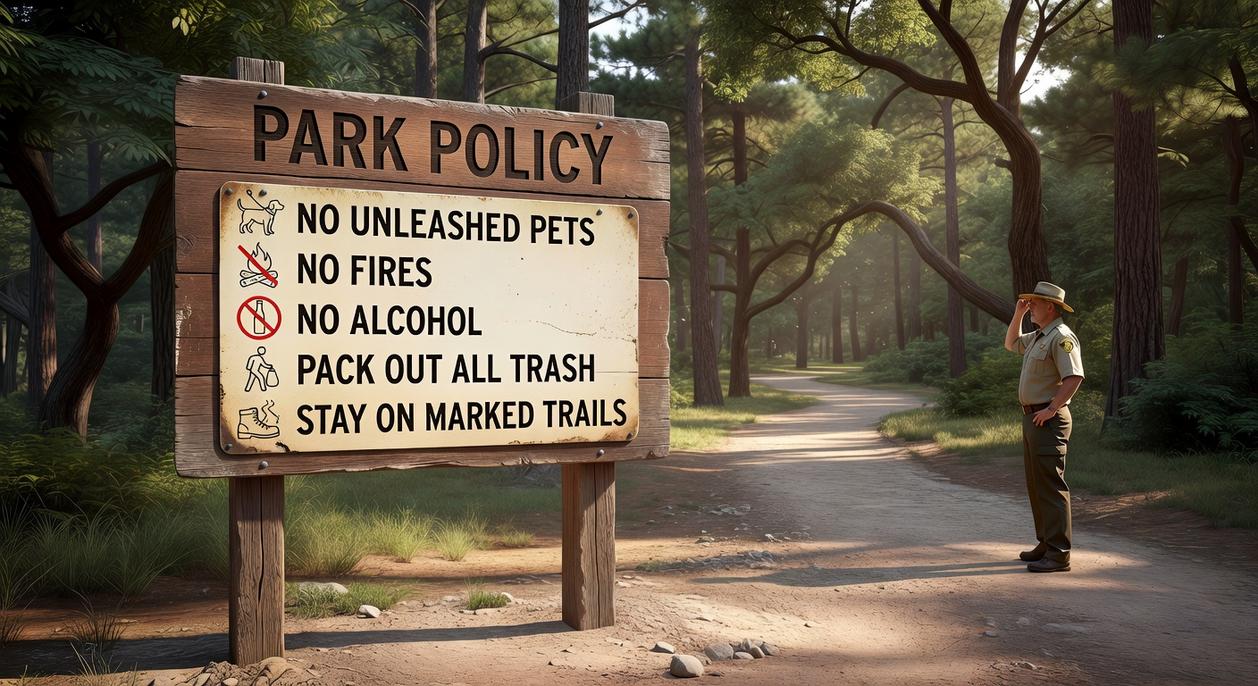
First, let’s clarify what “safe distance” really means. It’s the minimum space you’re legally required to keep between yourself and wildlife to prevent stress, injury, or aggressive behavior. Under recent national park policy updates, visitors must stay 100 yards from bears and 25 yards from bison and elk. That’s roughly a football field for bears and about half a basketball court for elk or bison. Closer than that? You risk fines, removal from the park, or worse—triggering a charge (and yes, bison can outrun you).
Meanwhile, food storage rules have tightened. Parks like Yosemite, Sequoia, and Grand Teton now require approved hard-sided bear canisters for overnight backcountry trips. Traditional bag-hanging methods—once considered a rite of passage—are increasingly restricted because bears have learned the trick (they’re smarter than your average picnic thief). A bear canister is a crush-resistant, lockable container designed to block scent and access. Pro tip: pack it efficiently by removing excess packaging before your trip.
Finally, remember the rule rangers repeat often: “A fed bear is a dead bear.” Feeding wildlife—intentionally or accidentally—creates dependency and aggression. Expect increased patrols and fines in picnic areas and campgrounds.
Planning solo? Review the rise of solo adventure travel insights and statistics before heading out.
Trail Access Evolved: Navigating Backcountry Permits and E-Bike Rules
If you haven’t applied for a backcountry permit lately, brace yourself: the clipboard-and-pen era is basically extinct. High-demand hikes like Half Dome and Angels Landing now run on online lottery systems. Translation? Your wilderness fate may depend on Wi‑Fi strength and refresh timing.
The shift to digital permitting replaced most first-come, first-served lines with timed application windows and randomized draws. A lottery system means applicants submit during a set period, and permits are awarded by random selection (think concert tickets, but with more granola). Supporters say it’s fairer and reduces overcrowded trailhead chaos. Critics argue it favors tech-savvy planners and squeezes out spontaneous adventurers. Both are right. Planning months ahead can feel excessive—but so did those 4 a.m. permit lines.
E-bike rules have also evolved. Under current policy, Class 1 e-bikes—pedal-assist only, max 20 mph—are allowed where traditional bicycles are permitted. Class 2 and 3 models (throttle-assisted or higher-speed bikes) are generally prohibited on trails. In plain English: if it zooms without pedaling, it probably doesn’t belong in the backcountry. (Yes, even if it looks really cool.)
Meanwhile, wilderness zone management is tightening. Some parks now limit dispersed camping to designated sites within high-traffic zones to help ecosystems recover. These rules, often highlighted in national park policy updates, aim to reduce soil erosion, vegetation loss, and wildlife disruption.
What this means for you:
- Plan earlier than you think you need to.
- Double-check your e-bike classification.
- Camp where you’re told—nature needs a breather too.
The wild is still wild. You just need a login and a little patience.
Paying Your Way: What’s New with Park Fees and Passes
The Move to Cashless Operations is accelerating. Increasingly, entrance stations no longer accept cash, requiring credit or debit cards or a pre-purchased digital pass. Meanwhile, although the “America the Beautiful” annual pass price remains steady, several parks have raised per-vehicle fees to fund road repairs and visitor center upgrades tied to national park policy updates.
So, what’s next? Consider buying a digital pass online before arrival; it speeds entry and reduces gate backups. You’ll receive a scannable code, often stored in your email or wallet app. Check connectivity in advance.
Adventure Responsibly: Your Checklist for a Modern Park Visit
You set out to understand what’s changed—and now you’re equipped with the essential national park policy updates shaping today’s park experience. From reservation systems and wildlife safety rules to updated permits and fee structures, you have what you need to avoid unpleasant surprises.
The reality is simple: outdated information can ruin an otherwise perfect trip. Missed reservations, improper food storage, or incorrect permits can quickly derail your adventure.
Plan ahead. Respect wildlife. Review access rules carefully. Then, before you leave home, confirm the latest details on the park’s official NPS.gov page. A few minutes of preparation ensures the safe, seamless adventure you came for.