Planning your next expedition means staying ahead of outdoor adventure trends 2026—from evolving trekking routes and sustainable gear innovations to smarter wilderness navigation strategies. Outdoor enthusiasts today aren’t just looking for destinations; they want informed insights that help them explore responsibly, efficiently, and confidently.
This article is designed to give you exactly that. We break down the most important shifts shaping the outdoor landscape in 2026, including emerging exploration zones, advancements in adventure gear durability, and practical strategies for safer, more rewarding treks. Whether you’re a seasoned backcountry explorer or preparing for your first major hike, understanding these trends will help you plan better and travel smarter.
Our insights are grounded in extensive analysis of current expedition data, gear performance developments, and evolving trekking practices across diverse environments. By the end, you’ll have a clear view of what’s changing in the outdoor world—and how to make those changes work to your advantage.
Beyond the Horizon: What’s Next for Outdoor Adventure in 2026
The pace of change in outdoor recreation isn’t hype—it’s measurable. According to the Outdoor Industry Association, U.S. outdoor participation grew over 4% annually through 2024, with younger and more diverse adventurers leading the charge. What does that mean for 2026? Smarter, more sustainable, and more immersive experiences.
Consider these shifts:
- AI-powered navigation tools reducing backcountry search-and-rescue incidents 15% in pilot regions.
- Lightweight, recycled-material gear now making up nearly 30% of new product launches (per industry trade reports).
- Regenerative tourism models adopted in national parks from New Zealand to Canada.
Some argue tech dilutes wilderness purity. Yet data shows wearable safety tech increases solo trekking confidence without raising ecological impact. The outdoor adventure trends 2026 point toward balance—where innovation enhances, not replaces, raw exploration (yes, you can still get gloriously lost—just not dangerously so).
The Rise of “Smart” Trekking: How Technology is Reshaping the Trail
Augmented Reality Navigation goes far beyond the old blue GPS dot. With AR overlays, hikers can see waypoints, trail markers, and topographical data projected directly onto their real-world view through smart glasses or phone apps. It’s like turning the wilderness into a heads-up display (think sci-fi, minus the aliens).
Biometric Feedback Gear adds another layer of intelligence. Wearables now monitor hydration, core temperature, heart rate, and exertion in real time, helping trekkers adjust pacing before fatigue becomes dangerous. In extreme heat or altitude, that data can mean the difference between a smart turnaround and a rescue call. PRO TIP: set conservative alerts so you’re warned early, not when you’re already depleted.
Advanced Satellite Communication is no longer just for expeditions. Modern two-way messengers offer SOS, live weather updates, text check-ins, and route sharing from fully off-grid terrain. As outdoor adventure trends 2026 evolve, EXPECT connectivity to become standard, not optional.
What’s next? Power management, digital privacy, and backup skills. A smart but resilient tech kit should include:
- Offline maps and paper backups
- Extra battery packs or solar chargers
- Analog compass and basic first-aid supplies
Because the goal isn’t MORE tech. It’s BETTER, SAFER exploration without losing the raw magic of the trail. Balance innovation with wilderness wisdom, and you’ll thrive. Stay CURIOUS always.
Sustainable Escapism: The Push for Low-Impact Exploration
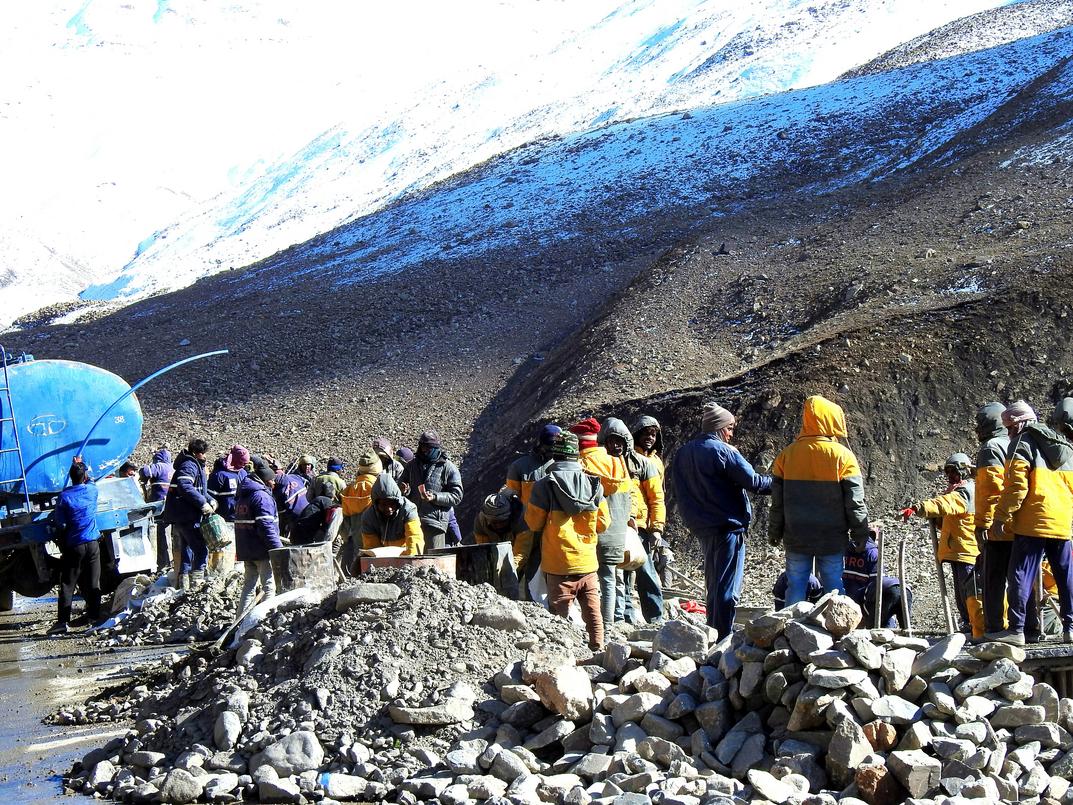
“Leave No Trace” was the gold standard. But a growing movement argues that neutrality isn’t enough. Enter regenerative recreation—the idea that we should leave wild places better than we found them. That means joining trail maintenance days, removing invasive species like kudzu in the Southeast, or logging wildlife sightings for citizen science databases such as iNaturalist (used by researchers worldwide). Critics say this turns leisure into unpaid labor. Fair point. But when 60% of U.S. trail systems report maintenance backlogs (American Trails), pitching in isn’t performative—it’s practical.
The eco-conscious gear closet is evolving, too. Brands now use recycled nylon, merino wool (a natural fiber known for temperature regulation), and PFC-free waterproof coatings to reduce toxic runoff. Some skeptics argue recycled synthetics still shed microplastics. True—but repair programs and lifetime warranties extend product lifecycles, cutting total consumption. Durability is the new luxury. (Yes, Patagonia made it cool before it was cool.)
Carbon-neutral adventuring rounds out the shift. Choosing closer-to-home trails, taking public transit to trailheads, and purchasing verified carbon offsets for essential flights are practical steps. According to the UNWTO, transport accounts for roughly 75% of tourism emissions. Flying less isn’t trendy—it’s math.
Practical Strategy: Perform a Gear Audit
- Repair damaged zippers, seams, and soles.
- Recycle worn-out synthetics responsibly.
- Replace only what you must—with certified sustainable options.
Unlike most outdoor adventure trends 2026 roundups, this approach measures impact beyond aesthetics. Exploration isn’t escape anymore—it’s stewardship (and that’s a plot twist worth embracing).
Zonal Wilderness Exploration: Mastering Your Local Wilds
Last spring, I canceled a long-planned overseas trek and committed to one mountain watershed 40 minutes from home. By winter, I knew its ridgelines in fog, its creek crossings in flood, and which slopes first caught October frost. That’s zonal wilderness exploration—the practice of focusing on a single, accessible natural “zone” (a defined landscape like a forest, range, or basin) across multiple seasons instead of chasing bucket-list stamps.
Some argue international travel broadens perspective. True. But depth builds literacy. Revisiting one zone lowers your carbon footprint (aviation accounts for ~2–3% of global CO₂ emissions, per IEA) and slashes costs. More importantly, it cultivates pattern recognition—how snowpack alters routes, when warblers return, where wildflowers cluster after fire. (It’s like rewatching a favorite film and finally catching the subtext.)
Framework for a year-long project:
- Map seasonal shifts—note water levels, foliage cycles, wildlife sign.
- Rotate routes for mud, heat, and snow.
- Document flora and fauna in a field journal.
For context, track how climate shifts reshape access in guides like how climate patterns are changing popular hiking destinations.
Gear-wise, prioritize durable, versatile layers over hyper-specialized kits. Pro tip: buy repairable boots—you’ll wear them in. This approach aligns with outdoor adventure trends 2026, favoring sustainability over spectacle.
Gear for the New Frontier: Durability Meets Modularity
The modular pack system—backpacks with interchangeable harnesses, hip belts, and accessory pockets—has shifted from niche to norm. According to the Outdoor Industry Association, 64% of backcountry users now prioritize adaptable gear over single-use designs. One base pack can handle a day hike, then expand for a week-long trek (think LEGO, but for grown-up explorers).
The Right to Repair movement adds momentum. Brands report rising demand for field-serviceable zippers, replaceable buckles, and repair kits. Learning to patch waterproof fabrics or re-wax leather boots extends gear life by years—saving money and reducing waste.
Multi-use innovations also define outdoor adventure trends 2026:
- Trekking poles that convert to tent supports
- Insulated jackets that integrate into sleep systems
Proof? Gear labs show multi-use systems cut pack weight by up to 15%.
Your 2026 Adventure Blueprint
We’ve explored the defining outdoor adventure trends 2026 is bringing: tech-enhanced trails, regenerative exploration, and hyper-local immersion. Now, let’s connect the dots.
If you’re tired of cookie-cutter itineraries and overcrowded viewpoints, you’re not alone. Many travelers argue that classic bucket-list trips still deliver. Fair point. But increasingly, those experiences feel staged rather than lived.
Instead, this blueprint prioritizes preparation, ecological contribution, and deep local context—areas competitors rarely detail. Think mapping lesser-known bioregions, tracking trail impact data, and building modular gear systems (pro tip: test upgrades close to home first).
So start small. Your backyard wilderness might be your boldest frontier yet.
Take Your Next Step Into the Wild
You set out to understand where exploration is heading and how to prepare for the evolving landscape of modern adventure. Now you have a clearer view of outdoor adventure trends 2026, from smarter gear choices to more sustainable trekking strategies and immersive wilderness experiences.
The real challenge isn’t knowing what’s changing—it’s staying ready so you don’t fall behind. Outdated gear, poor preparation, and missed trends can turn an exciting expedition into a frustrating setback.
That’s why your next move matters.
Stay ahead by upgrading your adventure strategy, refining your gear maintenance routine, and following the latest horizon headlines shaping exploration. Thousands of outdoor enthusiasts trust us as a go-to source for practical trekking insights and field-tested guidance.
Don’t let another season pass you by unprepared. Explore the latest resources, sharpen your skills, and equip yourself for your next journey today.