Your hiking backpack is more than just gear—it’s the trusted companion that carries your essentials through every summit push, forest trek, and backcountry mile. But over time, dirt, sweat, and trail grime don’t just dull its appearance; they quietly break down fabric fibers, clog zippers, and weaken water resistance, cutting short the life of your investment. This guide delivers a comprehensive, field-tested approach to cleaning hiking backpacks, designed to restore performance and durability. You’ll learn exactly how to handle quick post-hike cleanups, perform deep seasonal washes, and apply proactive maintenance techniques that keep your pack trail-ready for years to come.
Your Post-Hike Ritual: The 5-Minute Gear Reset
You’ve kicked off your boots, your legs are humming, and your pack smells faintly of pine, sweat, and earth. Before you collapse on the couch, take five minutes for cleaning hiking backpacks the right way—future you will be grateful.
-
Empty Everything. Open every zipper. Check each pocket for crinkled wrappers, gritty crumbs, or damp socks hiding in the corners. Forgotten snacks can sour fast (and mildew has a smell you won’t forget).
-
Shake It Out. Turn the pack upside down and give it a firm shake. Listen to the soft patter of sand and trail dust hitting the floor. That grit can grind down fabric over time.
-
Spot Clean and Wipe Down. With a damp cloth, wipe the interior and straps where sweat leaves a salty stiffness.
-
Air It Out. Hang it open in fresh air until every trace of moisture is gone. Pro tip: never store it even slightly damp.
The Essential Deep Clean: A Step-by-Step Washing Guide
Sometimes a quick wipe-down just won’t cut it. If your pack smells faintly sour even after airing out, if dried mud flakes off like old paint, or if it’s been through a full season of hard use, it’s time for a deep clean. As a rule of thumb, aim for once a year—or immediately after a particularly muddy, sandy, or salt-heavy trip. (If it smells like last month’s rainstorm, don’t ignore it.)
Some hikers argue that deep washing wears a pack out faster. And yes, overwashing can degrade materials. But neglect is worse. Dirt particles act like sandpaper inside fabric fibers, slowly breaking them down over time, according to textile care research from the American Cleaning Institute. A proper wash, done gently, actually extends your pack’s lifespan.
What You’ll Need
- A bathtub or large sink
- Non-detergent technical soap (such as Nikwax Tech Wash)
- Soft-bristled brush or sponge
- Old toothbrush for zippers
Never use a washing machine, dryer, bleach, or fabric softener. Agitators and harsh chemicals strip protective coatings and can warp internal frames. High heat can weaken synthetic fibers (the same reason outdoor brands warn against hot drying).
Step-by-Step Hand Washing Instructions
First, fill your tub with 4–6 inches of lukewarm water—never hot. The water should feel neutral against your skin, not steamy.
Next, add the recommended amount of technical gear wash. Swirl it gently until the water turns slightly cloudy.
Submerge the pack completely. You’ll hear the soft glug of air escaping from padded straps. Gently agitate it with your hands. Use your soft brush to scrub visibly dirty areas, especially the shoulder straps and hip belt where sweat leaves a salty stiffness.
Then, take the toothbrush and carefully clean zipper tracks. You might feel tiny grains of grit loosen and rinse away.
Drain the soapy water. Rinse thoroughly with cool, clean water until no suds remain and the fabric feels smooth—not slick.
Cleaning hiking backpacks this way preserves fabric integrity and keeps odors at bay. For more fabric-care principles that apply to other gear, review maintaining waterproof jackets for long term performance: https://havajazon.com/maintaining-waterproof-jackets-for-long-term-performance/
Finally, press out excess water gently and hang the pack upside down in a shaded, well-ventilated space. Let it air-dry completely. Patience here matters—damp padding can trap mildew (and that’s a smell you won’t forget).
Drying and Storing Your Pack for Maximum Longevity
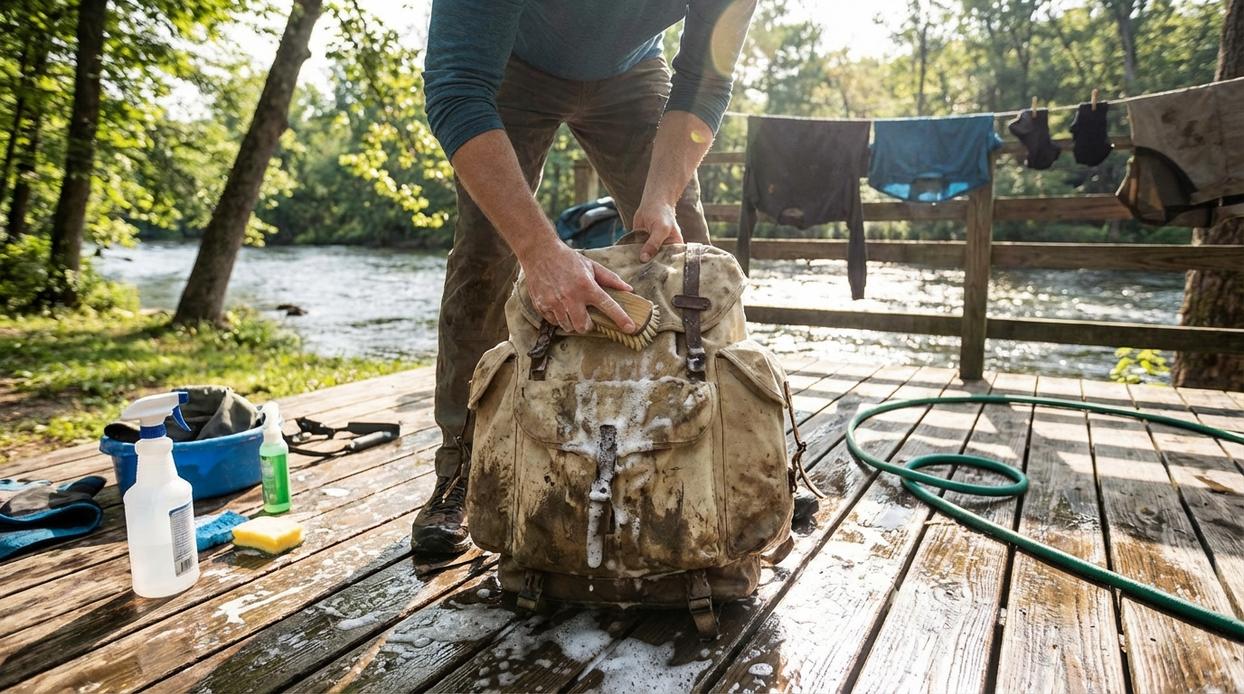
After cleaning hiking backpacks, many hikers assume the hard part is over. Not quite. In fact, improper drying can be just as damaging as improper washing. Trapped moisture leads to mildew (a type of mold that thrives in damp fabric), unpleasant odors, and gradual fiber breakdown. Some argue that “it’ll dry eventually” if left in a corner. Technically, yes—but slowly drying in a crumpled heap is how fabrics weaken and coatings peel.
So, here’s the correct method:
- Hang it upside down with all pockets unzipped. This allows gravity to help drain hidden moisture.
- Choose a shaded, well-ventilated area like a garage, covered porch, or even a shower rod indoors.
- Keep it out of direct sunlight. UV rays degrade nylon over time (think sun-bleached patio furniture, but worse).
- Wait at least 24–48 hours. Check seams and padded straps carefully—they hold the most moisture.
It might feel excessive, but patience here prevents long-term damage. Pro tip: press a dry towel into thick padding after 24 hours to test for hidden dampness.
Once completely dry, store your pack in a cool, dry closet. Avoid damp basements or hot attics. Finally, loosely buckle straps to maintain their shape (your future self will thank you before the next trek).
Proactive Care: Zippers, Straps, and Waterproofing
Preventative maintenance often matters more than cleaning hiking backpacks. According to gear repair data from major outdoor retailers, zipper failure is one of the top three reasons packs are retired early. Fortunately, prevention is simple. First, brush dirt and grit from zipper tracks—debris creates friction that wears down teeth over time. If the zipper feels stiff, apply a silicone-based zipper lubricant; studies on polymer performance show silicone reduces friction and extends hardware lifespan.
Next, inspect buckles and webbing. Even small cracks can widen under load (especially on multi-day treks). If you spot minor fraying, carefully seal the edge with a lighter’s flame to prevent further unraveling. However, avoid overheating—melted fibers lose tensile strength.
Finally, test your pack’s DWR (Durable Water Repellent) coating by flicking water onto the fabric. If it soaks in rather than beads, reapply a spray-on treatment like Nikwax TX.Direct after a deep clean. Field tests show restored DWR significantly improves rain resistance and drying time.
By maintaining your hiking backpack through proper cleaning and storage techniques, you not only extend its lifespan but also ensure it’s ready for your next adventure, especially as you explore the essential principles of layering systems for all-weather adventures – for more details, check out our Understanding Layering Systems for All-Weather Adventures.
A Clean Pack is a Reliable Pack for the Trail Ahead
Your search for cleaning hiking backpacks now has clear, actionable steps you can follow with confidence. Stick to this routine and you’ll protect your gear, save money on replacements, and ensure your pack never fails mid‑trail. Don’t wait—use these tips today and get your pack ready for the next horizon.