If you’ve been searching for a clear, practical outdoor layering system guide, you’re likely preparing for conditions where the wrong clothing choice can turn an incredible adventure into an uncomfortable—or even dangerous—experience. Whether you’re trekking through shifting mountain weather, exploring dense wilderness zones, or planning a multi-day backcountry trip, understanding how to layer properly is essential for performance, protection, and endurance.
This article is designed to give you exactly what you need: a straightforward breakdown of how layering works, how to adapt it to different climates, and how to choose materials that balance insulation, breathability, and moisture control. We’ve drawn from field-tested trekking strategies, real-world wilderness experience, and established outdoor gear best practices to ensure the guidance is reliable and actionable.
By the end, you’ll know how to build a layering system that keeps you warm, dry, and ready for whatever the terrain throws at you.
Too hot and sweaty on the uphill, then suddenly freezing at the summit? That’s the classic outdoor dilemma. Fortunately, there’s a smarter way to dress.
Build Your Layering System Like a Pro
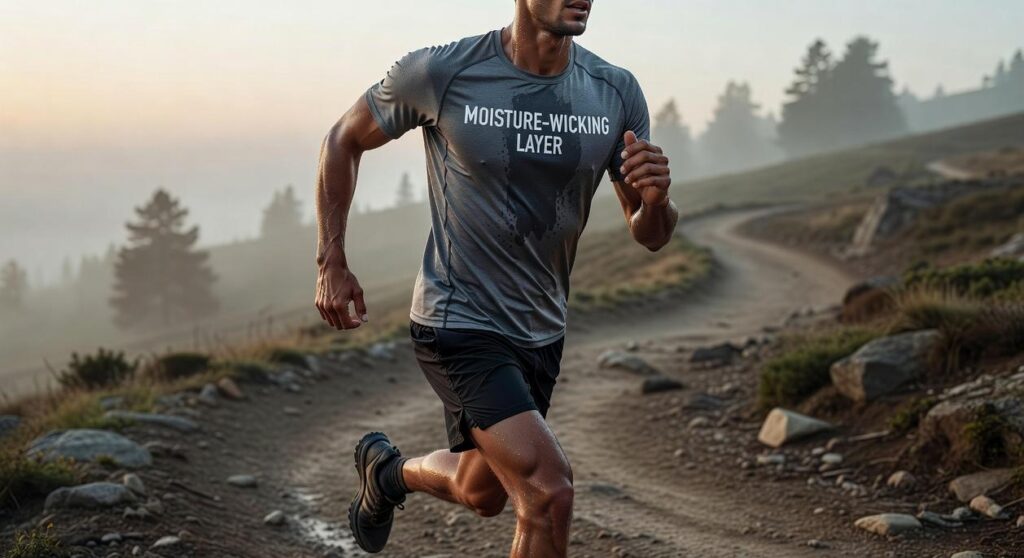
First, start with a base layer (moisture-wicking fabric that pulls sweat off your skin). Avoid cotton—it traps moisture and leaves you clammy. Next, add an insulating layer, like fleece or down, to retain body heat. Finally, top it with a shell layer to block wind and rain.
In other words, think adjustable, not bulky. This outdoor layering system guide helps you stay dry, warm, and comfortable—no matter how quickly the weather turns.
The Three-Layer System: Your Secret Weapon Against the Elements
Last October, I started a ridge hike at sunrise convinced my thick jacket would be enough. By mile three, I was sweaty; by mile six, freezing when the wind picked up (classic rookie mistake). That’s when I truly understood the three-layer system—not as a pile of clothes, but as a temperature-control toolkit.
Here’s how it works:
- Base layer: sits against your skin and wicks moisture (pulls sweat away so you don’t turn clammy).
- Mid-layer: provides insulation, trapping body heat like a thermos.
- Outer layer: shields you from wind and rain, acting as your portable shelter.
The magic isn’t in wearing all three nonstop. It’s in adjusting them as conditions shift. Climbing uphill? Shed the mid-layer. Storm rolling in? Zip up the shell.
Think of it as your personal thermostat—only smarter. Any solid outdoor layering system guide will tell you adaptability beats bulk every time.
The Foundation: Choosing a Moisture-Wicking Base Layer

If your base layer fails, everything else in your outdoor layering system guide falls apart. Its one job is simple: move sweat off your skin so it can evaporate without stealing your body heat. When moisture sits against you, evaporative cooling kicks in (science’s polite way of saying “now you’re freezing”).
In my experience, the right material makes or breaks a trip.
The Good:
- Merino Wool: Naturally odor-resistant, surprisingly soft, and it insulates even when damp. I’ve worn merino on multi-day treks, and it doesn’t turn into a swampy mess by noon.
- Synthetics (Polyester/Nylon): Ultra-durable and the fastest drying option. Great for high-output hikes where you’re sweating constantly.
Both work. I lean merino for cold, multi-day adventures and synthetics for intense climbs (pro tip: check fabric weight for season-specific performance).
The Bad: Cotton.
You’ve heard it before: cotton kills. It absorbs moisture, loses insulating power, and actively pulls heat from your body. Wet cotton in cold wind feels like wearing an icy towel. That’s not dramatic—that’s physics.
Finally, fit matters. A base layer must be snug against your skin. Loose fabric can’t wick efficiently. Think second skin, not baggy tee.
Before heading out, review your first aid kit essentials for backcountry trips.
The Insulating Mid-Layer: Trapping Heat for Warmth
If your base layer manages moisture, your mid-layer is your heat engine. Its primary function is simple: trap pockets of air warmed by your body. These tiny air spaces act as insulation (think of them as miniature radiators you’re carrying around). The more efficiently a fabric traps air, the warmer you stay.
But not all insulation performs the same. Here’s how the main contenders stack up:
Fleece vs. Down vs. Synthetic
Fleece: Versatile, breathable, and still insulating when wet. It’s ideal for high-output activities like hiking uphill or snowshoeing, where overheating is a real risk. Fleece releases excess heat well (a blessing when your trail suddenly turns vertical).
Down: Offers the highest warmth-to-weight ratio of any common insulation. Ounce for ounce, it’s the warmest option. The catch? When wet, it clumps and loses insulating power. Best for cold, dry days—like a clear winter summit push.
Synthetic Insulation: Designed to mimic down’s loft but retain warmth when damp. It’s your go-to for cold, wet environments—think sleet, coastal treks, or unpredictable alpine weather.
Some argue down is always superior because it’s lighter and warmer. That’s true—in dry conditions. But in damp climates, synthetic clearly wins on reliability. Fleece, meanwhile, dominates during movement-heavy adventures.
This is why the mid-layer is the “workhorse” in any outdoor layering system guide. It’s the piece you’ll remove during climbs and throw back on at rest stops (overheating is the fastest way to get chilled later).
Pro tip: carry two lighter mid-layers instead of one bulky one for better temperature control.
The Protective Outer Layer: Your Shield from Wind and Rain
Your outer layer, often called a shell jacket, is the barrier that stands between you and the elements. Its primary job is simple: block wind, shed rain, and protect the insulating layers underneath from losing heat. Without it, even the warmest fleece becomes useless once soaked (and yes, we’ve all underestimated a “light” forecast).
First, understand the terminology:
- Water-resistant: Handles light drizzle and brief showers. Typically more breathable, making it comfortable for high-output hikes.
- Waterproof/breathable: Built for sustained rain. These use membranes like GORE-TEX to stop water from entering while allowing sweat vapor to escape.
So which do you need? If you’re trekking in unpredictable mountain weather, waterproof is essential. For dry, windy trails, water-resistant may be enough.
Next, look for critical features:
- Taped seams to prevent hidden leaks.
- Adjustable hood for a snug, storm-ready fit.
- Pit zips for ventilation during climbs.
Finally, consider softshell vs. hardshell. A softshell prioritizes stretch and breathability with light weather resistance. A hardshell delivers maximum waterproof protection.
For a complete outdoor layering system guide, think of your shell as the insurance policy that keeps every other layer working. It truly earns its place outside.
Putting It All Together for Your Next Adventure
Ultimately, mastering the base-mid-outer system gives you full control over your comfort outdoors. Instead of guessing, you adjust with purpose. Think of it as A vs. B: cotton base layer vs. moisture-wicking wool, bulky hoodie vs. insulating fleece, single heavy coat vs. adaptable shell system. One leaves you damp and chilled; the other keeps you dry and regulated (big difference).
To put this into action:
- Review your current gear.
- Replace cotton base layers first.
- Test adjustments on your next hike.
With the outdoor layering system guide in mind, why leave comfort to chance?
By mastering the principles of layering systems for all-weather adventures, you can enhance your comfort and adaptability in any environment, which is especially useful when venturing into the extremes of desert ecosystems, as detailed in our article on survival and navigation tips – for more details, check out our Exploring Desert Ecosystems: Survival and Navigation Tips.
Take Your Next Step Into the Wild with Confidence
You set out to master your layering strategy so you can stay warm, dry, and prepared in changing outdoor conditions. Now you understand how each layer works together, how to adapt to shifting weather, and how the right gear choices can make or break your experience on the trail.
Ignoring proper layering leads to discomfort, wasted trips, and even dangerous exposure. The right system, on the other hand, gives you confidence, endurance, and the freedom to explore farther without hesitation.
Put this knowledge into action with a reliable outdoor layering system guide you can reference before every trek. Choose quality gear, maintain it properly, and build a setup tailored to your climate and terrain.
If you’re ready to eliminate guesswork and adventure smarter, explore our trusted resources and field-tested gear recommendations today. Thousands of outdoor enthusiasts rely on our proven strategies to stay prepared in any zone—now it’s your turn. Start upgrading your layering system and step into your next adventure fully equipped.