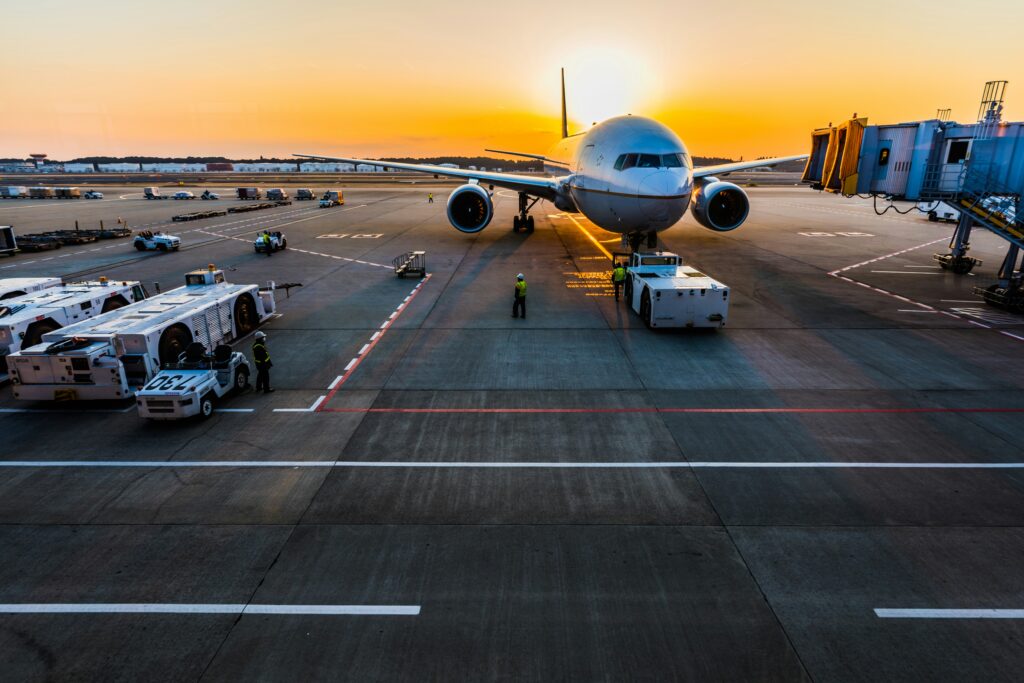
Modern international airports are operating at a scale that traditional security systems were never designed to handle.
Every day, some of the world’s busiest airports process hundreds of thousands of passengers moving through terminals, security checkpoints, immigration lines, boarding gates, and baggage claim areas. During peak travel seasons, major airports like Dubai International, Heathrow, and Atlanta can handle more than 250,000 passengers in a single day, creating enormous pressure on security and operations teams.
And the challenge is growing.
Global air travel demand continues to rise, with international passenger traffic expected to exceed pre-pandemic levels significantly over the next few years. At the same time, airports are facing increasing security concerns, ranging from unauthorized access and suspicious activity to overcrowding and operational disruptions.
The problem is not a lack of cameras.
Most airports already have thousands of surveillance cameras installed across terminals and restricted zones. The issue is that traditional systems mainly record footage instead of helping teams understand what is happening in real time.
This is why AI-powered surveillance is becoming a critical part of every modern airport security system.
Instead of relying entirely on manual monitoring, AI surveillance analyzes activity continuously, detects unusual behavior, and alerts teams immediately. This allows airports to respond faster, improve passenger safety, and manage high traffic environments more efficiently.
In this article, we’ll explore how AI surveillance is transforming airport safety and why it has become essential for modern international travel infrastructure.
1. AI Helps Airports Detect Threats Before They Escalate
One of the biggest limitations of traditional airport surveillance is delayed response.
Security teams often have to monitor hundreds of camera feeds simultaneously, which makes it difficult to identify suspicious behavior quickly. In busy environments, important incidents can easily go unnoticed until they become serious.
AI surveillance changes this by continuously analyzing video feeds in real time.
Instead of simply recording footage, the system identifies patterns and flags unusual activity automatically. This includes situations such as:
- Unauthorized access to restricted zones
- Unattended baggage in public areas
- Suspicious loitering near sensitive locations
- Individuals moving against crowd flow patterns
The advantage is speed.
For example, if someone remains near a secure access point longer than expected or enters a restricted operational zone, the system can alert security teams immediately. This reduces the time between detection and response, which is critical in airport environments where even minor delays can create larger risks.
Modern platforms like Coram demonstrate how AI-driven airport surveillance is evolving. Coram’s airport security system platform works with existing IP cameras and provides centralized monitoring, intelligent alerts, and real-time visibility across terminals and restricted areas. This allows airports to improve surveillance capabilities without replacing their current infrastructure.
The result is a more proactive approach to security rather than simply reacting after incidents occur.
2. Managing Passenger Congestion More Effectively
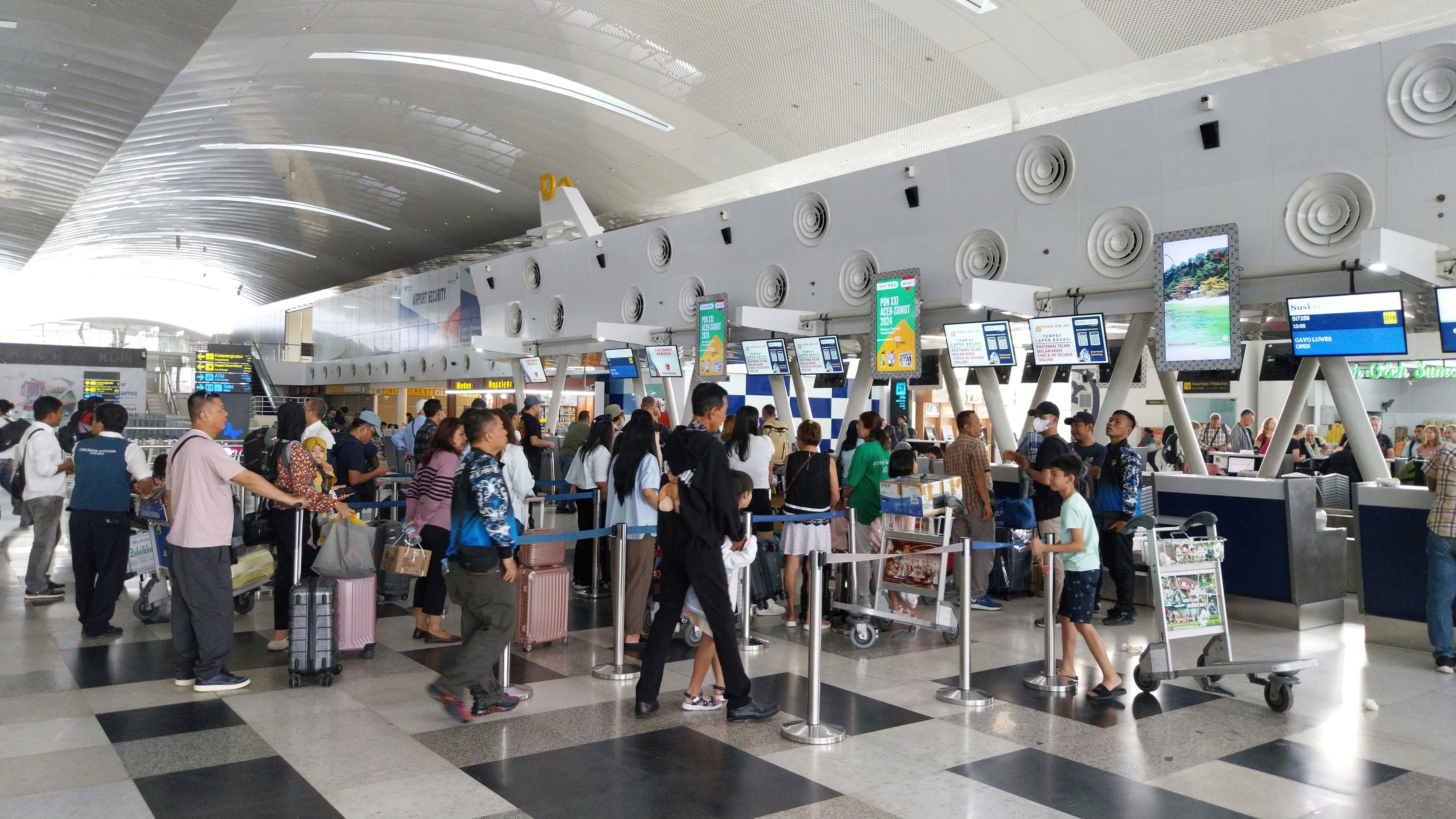
Passenger congestion is one of the most common operational challenges in busy international airports.
Long queues at security checkpoints, immigration counters, and boarding gates do not just frustrate travelers. They can also create safety concerns and increase operational pressure.
AI surveillance helps airports manage this more effectively by analyzing crowd density and passenger movement patterns in real time.
This allows airport teams to:
- Detect overcrowding before it becomes severe
- Monitor wait times at checkpoints
- Identify bottlenecks in passenger flow
- Redirect travelers to less congested areas
For example, if a terminal begins experiencing unusually high crowd density, airport operators can quickly open additional screening lanes or adjust staffing levels before delays escalate.
This proactive visibility helps improve both security and passenger experience at the same time.
3. Improving Response Time During Emergencies
In airport environments, response time is critical.
Whether it is a medical emergency, a security incident, or an operational disruption, delays in communication can quickly create larger problems.
AI surveillance systems improve emergency response by providing real-time situational awareness.
Instead of relying only on manual reports, airport teams receive immediate alerts when unusual activity is detected. Because the system continuously analyzes multiple camera feeds simultaneously, it can identify incidents faster than traditional monitoring approaches.
This allows teams to:
- Locate incidents more quickly
- Coordinate responses across departments
- Reduce confusion during high-pressure situations
- Minimize disruption to airport operations
For large airports with multiple terminals and restricted zones, this centralized visibility is especially important.
4. Strengthening Access Control in Restricted Areas
Airports contain multiple high-security zones that require strict access control.
These areas include:
- Runways and maintenance zones
- Baggage handling facilities
- Air traffic control areas
- Staff-only operational sections
Managing access to these locations becomes increasingly difficult during high passenger traffic periods.
AI-powered surveillance enhances access control by combining video analytics with real-time monitoring. Instead of simply recording who enters a door, the system can analyze behavior around access points and identify suspicious activity.
For example, it can help detect:
- Tailgating through secure doors
- Unauthorized attempts to enter restricted zones
- Access outside approved operational hours
This added intelligence improves accountability and reduces security gaps that traditional systems often miss.
5. Reducing Manual Monitoring Fatigue
One of the biggest challenges in airport security is monitoring fatigue.
Security personnel are often required to watch multiple screens for extended periods, which reduces attention and increases the likelihood of missed incidents. Research has shown that human operators become significantly less effective at identifying critical events after prolonged monitoring.
AI helps reduce this burden.
Instead of requiring teams to monitor every camera constantly, AI systems automatically highlight unusual events and prioritize alerts. This allows security personnel to focus their attention where it matters most.
As a result:
- Monitoring becomes more efficient
- Critical events are less likely to be missed
- Teams can respond more effectively under pressure
This improves overall operational performance while reducing stress on security staff.
6. Improving Operational Intelligence Beyond Security
AI surveillance is not just improving safety. It is also helping airports operate more efficiently.
Every movement within an airport generates valuable data. AI systems can analyze this information to identify operational patterns and improve decision-making.
For example, airports can use surveillance analytics to:
- Understand peak passenger traffic hours
- Optimize staffing at checkpoints
- Improve boarding and queue management
- Identify recurring congestion areas
This transforms surveillance systems from passive security tools into operational intelligence platforms.
Instead of only reacting to problems, airport operators can make proactive decisions that improve both efficiency and traveler experience.
7. Supporting Scalable Airport Operations
As global air travel continues to grow, airports need security systems that can scale without becoming unmanageable.
Traditional surveillance systems often struggle with expansion because they require more hardware, more manual monitoring, and more operational complexity.
AI-powered systems scale far more effectively.
They can analyze large volumes of video data across multiple terminals while maintaining centralized visibility and real-time monitoring.
This scalability allows airports to:
- Expand surveillance coverage efficiently
- Manage multiple facilities from one platform
- Improve consistency across operations
- Reduce dependency on manual oversight
For international airports handling millions of travelers every year, this level of scalability is essential.
FAQs
What is an AI-powered airport security system?
It is a surveillance system that uses artificial intelligence to analyze video feeds, detect unusual activity, and provide real-time alerts for improved airport safety.
How does AI improve airport security?
AI helps detect suspicious behavior, manage crowd congestion, improve response time, and reduce reliance on manual monitoring.
Can AI surveillance work with existing airport cameras?
Yes. Many modern systems integrate with existing IP camera infrastructure, reducing the need for complete replacement.
Does AI surveillance replace security personnel?
No. It supports security teams by automating monitoring and highlighting critical events that require attention.
Why is AI important for busy international airports?
Because airports handle extremely high passenger volumes, AI helps improve visibility, efficiency, and response speed in complex environments.
Conclusion
International airports are becoming more crowded, more complex, and more demanding every year.
Traditional surveillance systems are no longer enough to manage modern security challenges effectively.
AI-powered surveillance is changing this by giving airports the ability to detect threats faster, manage passenger traffic more intelligently, and improve operational coordination in real time.
More importantly, it allows security teams to move from reactive monitoring to proactive prevention.
As global travel continues to grow, AI will become a foundational part of every modern airport security strategy.
The real question is not whether airports need smarter surveillance, but whether traditional systems can keep up with the speed and scale of modern air travel.