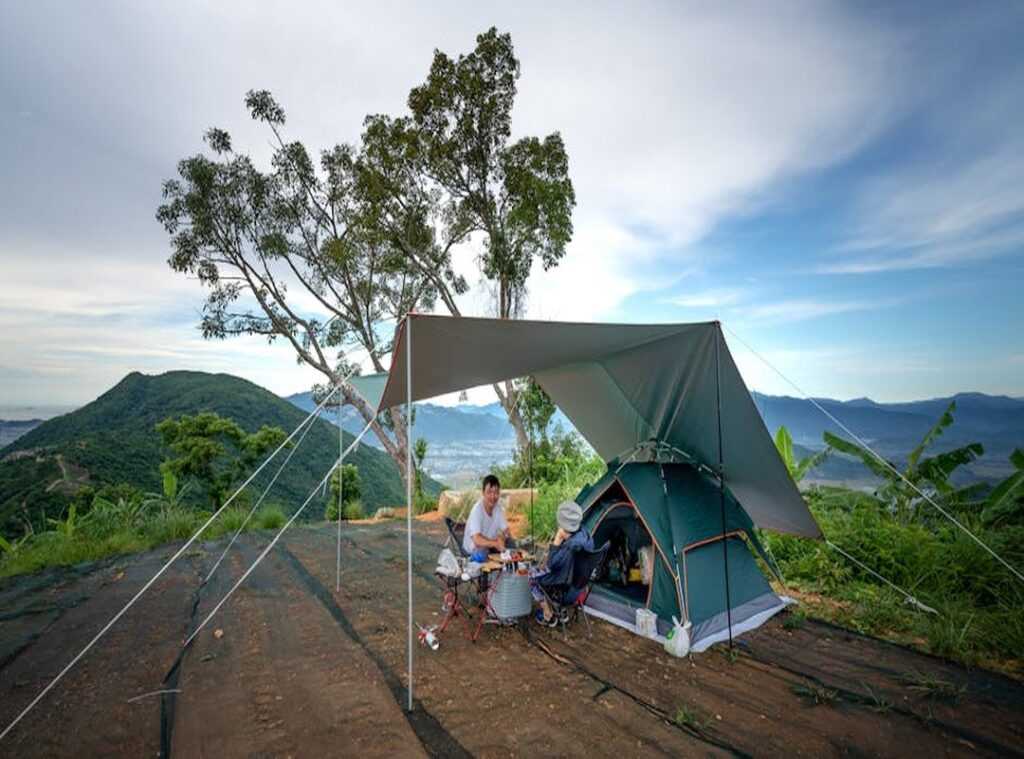
Ever felt like your tent collection is more complicated than your camping trips? I hear you. You buy a tent for one trip, then realize it’s not right for the next.
Frustrating. But let’s cut through the confusion. This article dives into versatile tent features that can save you money and stress.
I’ve spent years testing gear in everything from serene summer nights to sudden mountain storms. It’s not about forcing a tent to fit your adventure. It’s about finding one that adapts to you.
You want a tent that handles every scenario without packing five different ones? I’ll show you how to evaluate tents like a pro. This isn’t just theory.
It’s field-tested advice. Stick around, and you’ll choose your next tent with confidence.
Beyond the Buzzword: Multi-Functional Gear Unpacked
What does “multi-functional” really mean when we’re talking about outdoor gear? It’s not about doing everything perfectly (spoiler: nothing does). Instead, it’s about handling many things really well.
A multi-functional tent isn’t just a place to sleep. It’s a shelter that’s adaptable enough for a weekend car camping trip and a multi-day backpacking trek.
Adaptability is the game, right? Think about the “Versatility Triangle” (Weight, Weather Protection, and Livability). The best tents balance these points smartly.
They don’t excel in just one area. You can’t carry a mansion on your back, and paper-thin tents don’t hold up in a storm.
Now, picture a multi-functional tent like a . It’s got the right tools for those everyday situations that pop up. But hey, have you checked out the anatomy of a backpack?
Understanding your gear inside and out is important. The more you know, the better you pack, and the more fun your adventures become.
Pro tip: When shopping for tents, look for versatility. Those tent features that adapt to different environments can make or break your trip. And trust me, nobody wants to be stuck in the rain without proper coverage.
The Tent Game: What Really Matters
When it comes to tents, adaptability is king. You want a tent that doesn’t just sit there but actually works for you. Let’s start with modularity and setup options.
Tents with removable rainflies and convertible vestibules? Those are gold. Imagine shedding weight in good weather (because who wants to lug extra pounds?).
Fast-fly pitch options let you use just the fly and footprint. It’s like having a for the outdoors.
Now, weather resistance. You’ve heard of 3-season vs. 4-season tents, right? A strong 3-season tent is often the most multi-functional.
It’s got a full-coverage rainfly and a bathtub-style floor. Strong pole geometry matters too (keeps the tent from collapsing under a gust). You might think, why not go 4-season?
Well, unless you’re heading to Everest, a solid 3-season tent does the job without the weight or complexity.
And speaking of weight, let’s talk balanced weight-to-space ratio. Packed weight vs. trail weight: know the difference. A good 2-person tent for backpacking should weigh under 5 lbs.
You don’t want to feel like you’re hauling a boulder.
Finally, livability. It’s not just about floor area. Peak height lets you sit up comfortably.
Dual doors and vestibules mean you don’t crawl over your buddy for a midnight bathroom break. Effective ventilation fights condensation (trust me, waking up in a damp tent is no fun).
For more on versatile tent features, check out this great resource. It digs deeper into what makes a tent truly adaptable.
A Deeper Dive: The Nitty-Gritty Details of Versatility
Let’s talk tents. When you’re staring down the trail and considering your options, versatile tent features are what you need. They can make or break your outdoor experience.

Ever wonder what all this talk about Denier (D) rating is? It’s like the thread count for your tent fabric. A 15D rating means it’s lightweight, but maybe not as durable.
A 68D? Heavier but tougher. So, choose wisely based on your adventure needs.
Then there’s the coating. Silicone vs. Polyurethane.
Silnylon or Silpoly coatings keep things light and waterproof but might not be as hardy over time. Polyurethane is like the dependable old friend. Sturdy but heavier.
Which one would I pick? Depends if I’m battling the elements or just out for a weekend jaunt.
Now, poles. Aluminum versus carbon fiber. Aluminum is the workhorse.
Strong and reliable. Carbon fiber, though, is all about saving weight. It’s like comparing a truck to a sports car.
And don’t get me started on hubbed pole systems. They add volume and strength without adding weight. It’s engineering brilliance!
Have you ever struggled with a tent zipper that snags every time? High-quality YKK zippers cut down the hassle. They’re bold champions in the tent world, reducing snagging and frustration.
Guylines and vents, though often overlooked, are key. Multiple guy-out points offer stability in wind, while high-low venting keeps the inside dry by enhancing airflow. These sound like minor details but trust me, they’re lifesavers.
For those who love tech specs and innovation in outdoor gear, these features are a game-changer. If you want to learn more about the evolution modern hiking gear, take a peek and see where the future is headed. After all, every tiny detail counts when you’re out in the wild.
Choosing Your Champion: Matching Attributes to Your Adventures
When it comes to selecting the right tent, you should think about what kind of adventure you’re planning. It’s a practical decision, not just a whim. Let’s break it down.
Scenario 1: The Backpacker & Occasional Car Camper. You want a tent that isn’t going to slow you down. Prioritize low weight and modularity. For you, something under 4.5 pounds with a fast-fly option is ideal. It’s the of camping (without the cliché). You get flexibility without the hassle of lugging extra weight. Does that sound like what you need?
Scenario 2: The Car Camper & Aspiring Backpacker. You love comfort but want to try something new. Here, livability and durability matter. Look for a slightly heavier model, around 5-6 pounds, with more vertical walls. It gives you space without feeling like you’re stuck in a coffin. A tougher floor fabric is also smart for when nature isn’t being gentle.
Scenario 3: The All-Weather Adventurer. Weather resistance is your game. Seek out a full-coverage fly and numerous guy-out points. Strong pole architecture is a must for you. This way, you’re ready for whatever Mother Nature throws at you (and you know she will).
Quick Reference Table
| User Type | Attributes |
|---|---|
| Backpacker | Under 4.5 lbs, Fast-fly |
| Car Camper | 5-6 lbs, Vertical walls, Durable |
| All-Weather | Full-cover fly, Strong poles |
Remember, versatile tent features can transform your trip from a disaster to a dream. Choose wisely!
Find Your Perfect Shelter
You’ve got the tools now. You can see through the marketing fog and pick a tent that actually works for you. The biggest hurdle?
Choosing one that tackles most trips without cutting corners.
Focusing on versatile tent features like modularity, weather-worthiness, weight, and livability matters. These aren’t just buzzwords. They’re the backbone of getting the most bang for your buck.
Why settle for less?
Here’s your move: with this knowledge, dive into the hunt for your perfect tent. Head over to havanazon.com and browse their top-rated picks. You won’t just find a tent.
You’ll find a gateway to new adventures and destinations. Let’s face it. More freedom to explore is what you’ve been dreaming of, right?
Go ahead. Grab that tent and start your next journey now.